
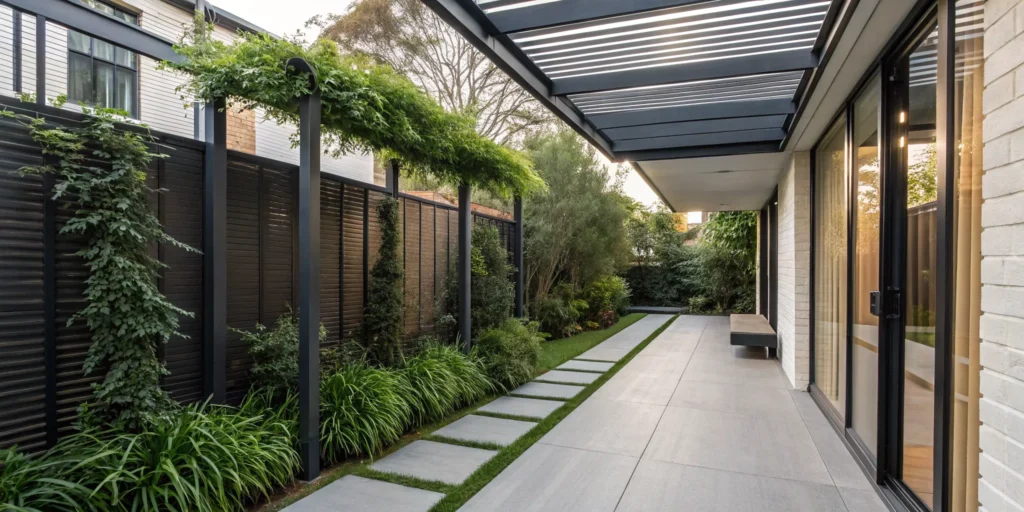
A small backyard isn’t a limitation; it’s an opportunity to create a perfectly curated outdoor room. Instead of a sprawling lawn that needs constant care, you can design an intentional, cozy space that truly reflects your style. The secret is in the planning. By focusing on a clear purpose and a cohesive vision, you can make every square foot count. This is where great landscape design for small backyards truly shines, proving that thoughtful choices matter more than sheer size. From selecting multifunctional furniture to creating the illusion of more space with vertical gardens, we’ll show you how to turn your compact yard into your favorite part of your home.
Florida’s #1 Rated Roofing Contractor
Ready for a Roof That Lasts 50 Years?
Get a 100% free, no-obligation roof inspection from South Florida’s only TAMKO Diamond Contractor. No pressure. No hidden fees. Just honest answers.
⭐ 4.8 Google Rating · 600+ Roofs Completed · A+ BBB Rated · Licensed & Insured
Key Takeaways
- Plan with purpose to maximize your space: Before you begin, define how you’ll use your yard, create distinct zones for activities like dining or relaxing, and select a single focal point to give the design a clear anchor.
- Create the illusion of a larger yard: Use smart design tricks to make your space feel more expansive, such as drawing the eye upward with vertical gardens, using light-colored materials to reflect sunlight, and choosing multifunctional furniture to save room.
- Work with Florida’s climate, not against it: Build a beautiful and resilient retreat by selecting low-maintenance native plants, ensuring proper drainage to handle heavy rain, and choosing durable, weather-resistant materials that can withstand the sun and humidity.
Plan Your Perfect Small Backyard
A small backyard isn’t a drawback; it’s a canvas for a cozy, intentional, and perfectly curated outdoor retreat. The key to making the most of a compact space is thoughtful planning. Before you buy a single plant or piece of furniture, taking the time to map out your vision will ensure every square foot serves a purpose and reflects your style. A great plan prevents clutter and creates a space that feels both functional and expansive. By focusing on a clear purpose, a simple design palette, and a strong focal point, you can create an outdoor oasis you’ll love for years.
Define Your Purpose and Create Zones
First, think about how you want to use your backyard. Is it a quiet spot for morning coffee, an outdoor dining room for entertaining friends, a play area for kids, or a lush garden escape? Make a list of your must-haves and rank them in order of importance. You might not have room for everything, but this helps you prioritize what matters most.
Once you know your priorities, you can transform a space by dividing it into zones. You don’t need walls to do this. Use visual cues like a large outdoor rug to anchor a seating area, a cluster of potted plants to define a quiet corner, or a change in paving material to signal the transition to a dining spot. Creating these distinct zones makes the yard feel more organized and surprisingly larger.
Simplify Your Material and Plant Palette
When it comes to small spaces, less is definitely more. A jumble of different materials and an overabundance of plant species can make a yard feel chaotic and cramped. Instead, aim for a clean, cohesive look by simplifying your choices. Select just two or three hardscaping materials, like concrete pavers and natural wood, and use them consistently throughout the space.
The same principle applies to your plants. Choose a theme or color scheme to guide your selections. Whether you prefer a tropical vibe with broad-leafed plants or a modern look with ornamental grasses, sticking to a cohesive plant palette creates a harmonious and restful atmosphere. This simple, unified design will make your small backyard feel polished and intentionally designed.
Create a Clear Focal Point
Every great design needs a focal point to draw the eye and anchor the space. In a small yard, a single, well-chosen feature can add a ton of personality and interest without taking up too much room. This could be a small, bubbling water feature, a compact fire pit for cool evenings, or even a striking piece of art mounted on a fence.
The key is to choose one special item to be the star of the show. If you have a few interesting elements, like a unique tree and colorful chairs, give them enough space so they don’t compete for attention. A clear focal point provides a destination for the eye, making the entire yard feel more purposeful and inviting.
How Can I Make My Small Backyard Look Bigger?
Even the most compact backyard can feel like a spacious retreat with a few clever design tricks. It’s all about creating an illusion of space by guiding the eye and making the most of every square inch. You don’t need a huge lawn to have a beautiful and functional outdoor area. By thinking strategically about height, color, and flow, you can transform your small yard into an open, airy oasis. Here are a few of my favorite techniques to visually expand your space.
Go Vertical with Living Walls and Trellises
When you can’t build out, build up. Utilizing vertical space is one of the most effective ways to make a small yard feel larger. Installing trellises or living walls for climbing plants draws the eye upward, creating an illusion of height and depth. This technique adds lush greenery without taking up precious floor space. Imagine a wall covered in flowering vines like bougainvillea or star jasmine. It becomes a living piece of art and a stunning focal point. You can also use vertical space for a kitchen garden with herbs and vegetables, adding both beauty and function to your backyard.
Use Light Colors and Reflective Surfaces
Color plays a huge role in how we perceive space. Just as light paint can make a small room feel bigger, light-colored materials in your landscaping can make your yard feel more expansive. Light colors reflect sunlight, which brightens the area and creates an airy, open atmosphere. Think about using light gray pavers, white gravel, or painting a back fence a soft, neutral shade. You can also incorporate reflective surfaces to bounce light around the yard. A strategically placed mirror can create the illusion of more garden beyond, while a small water feature can reflect the sky and surrounding plants, adding depth and movement.
Create Uninterrupted Sightlines
To make your backyard feel more open, you want to create long, clean lines of sight. Anything that breaks up the view can make the space feel choppy and smaller than it is. Creating uninterrupted sightlines allows the eye to travel further, which makes the entire area feel larger. Consider replacing a bulky deck railing with a wire or glass version. Arrange furniture so it doesn’t block the main view from the house. You can also design a gently curving path that disappears behind a plant, which creates a sense of mystery and implies the yard continues on. This simple landscape design principle can have a major impact.
Use Strategic Outdoor Lighting
Your backyard shouldn’t disappear when the sun goes down. A thoughtful lighting plan can make your yard feel bigger and extend its use into the evening. Implementing strategic outdoor lighting highlights key features and creates a pleasant ambiance. Instead of one harsh floodlight, use multiple sources of soft light. Place uplights at the base of trees or along a trellis to emphasize vertical height. Use path lights to guide the eye along a walkway, creating a sense of length. String lights can add a magical glow overhead without cluttering the ground, making the space feel both intimate and open.
Add Function and Privacy to Your Small Yard
A small yard can still be your private oasis, perfect for relaxing or entertaining. The key is to make every element work a little harder. By choosing smart furniture, creating vertical boundaries, and defining your spaces, you can build a backyard that feels both functional and secluded. It’s not about adding more things; it’s about choosing the right ones to create a space that serves your needs while giving you a welcome sense of privacy from the outside world. These strategies will help you get the most out of every square foot.
Choose Multifunctional Outdoor Furniture
When space is at a premium, your furniture should do double duty. Think of pieces that can adapt to your needs. An ottoman with hidden storage can hold cushions or gardening tools, while a bench can provide seating and define the edge of a patio. A fire pit with a convertible top can serve as a coffee table during the day and a cozy gathering spot at night. Choosing furniture that folds or is easily moved allows you to reconfigure your yard for different occasions, whether it’s a quiet morning with a book or a weekend barbecue with friends. This approach keeps your yard feeling open and uncluttered.
Install Pergolas or Privacy Screens
To make your backyard feel more intimate, think vertically. A pergola is a fantastic way to add architectural interest and create the feeling of an outdoor room without closing the space in. You can train climbing vines up the posts for a touch of green and some added shade. For more direct privacy, consider installing screens. These can be simple lattice panels, modern horizontal slats, or even a living wall made of tall planters. These vertical elements draw the eye upward and can effectively block views from neighbors, making your small yard feel like a true retreat.
Define Areas with Outdoor Rugs
Creating distinct zones for different activities can make your backyard feel larger and more organized. An easy way to do this is with an outdoor rug. Placing a durable, weather-resistant rug under your seating area instantly defines it as a dedicated space for conversation and relaxation. This simple addition acts as an anchor for your furniture and adds a layer of comfort and style. You can also use large potted plants or a series of smaller containers to create a subtle boundary between your dining spot and a lounging area. This technique of creating “rooms” helps organize the flow of your yard and makes it more functional.
Smart Hardscaping for Small Yards
Hardscaping is the backbone of your backyard design. It includes all the non-living elements like patios, walkways, and built-in structures. In a small yard, smart hardscaping is especially important because it defines the space and creates a functional foundation for everything else. The right choices can make your yard feel more organized, intentional, and even larger than it is. By focusing on materials and features that work for your space, you can create a beautiful and practical outdoor living area without feeling cramped.
Choose Your Foundation: Pavers, Decks, or Gravel
The surface you choose for your main living area sets the tone for the entire yard. Pavers are a fantastic option for creating clean lines and defining specific zones, like a dining area or a path to a garden shed. A well-designed deck can add warmth and create a level, usable space on sloped ground. For a more budget-friendly and modern look, consider gravel. It’s excellent for drainage, which is a huge plus in Florida, and provides a satisfying crunch underfoot. Your foundation is the first step in a strategic plan for a functional and beautiful outdoor space.
Add Built-In Seating and Raised Planters
Free-standing furniture can quickly eat up precious square footage in a small yard. Instead, think about incorporating built-in seating along the edges of a deck, a retaining wall, or a fire pit. This approach saves a ton of room, offers plenty of seating for guests, and creates a clean, uncluttered look. Similarly, raised planters are a great way to add greenery without sacrificing floor space. You can build them into your deck or use them to define the border of a patio. They also make gardening more accessible and can even double as extra casual seating when topped with a wide ledge.
Add a Compact Water Feature for Ambiance
Nothing creates a tranquil atmosphere quite like the sound of moving water. You don’t need a massive pond or waterfall to get the effect. A compact water feature can serve as a beautiful focal point, drawing the eye and making the space feel more special. Consider a small, self-contained fountain, a wall-mounted feature that takes up zero ground space, or even a “spool” (a small-scale pool and spa combo). The gentle sound can also help mask neighborhood noise, turning your small backyard into a private oasis where you can truly relax.
Best Low-Maintenance Plants for Small Florida Yards
Your backyard should be a retreat, not another chore. The secret to a beautiful outdoor space in Florida is choosing plants that work with our climate. By selecting low-maintenance varieties, you can create a lush garden that thrives with minimal effort, giving you more time to relax and enjoy it. Here are a few simple strategies for picking the perfect plants for your small yard.
Choose Compact Native Plants and Grasses
Working with Florida’s environment is the easiest path to a successful garden. Native plants are adapted to our soil and humidity, making them incredibly resilient. They require less water and are more resistant to local pests. For small yards, focus on compact varieties like Coontie Palm or Muhly Grass that won’t overwhelm your space. A Florida-Friendly Landscaping approach ensures your garden is beautiful, sustainable, and easy to care for. It’s a smart way to get a gorgeous yard that practically takes care of itself.
Add Texture with Drought-Tolerant Varieties
To create a garden that can handle the Florida heat, turn to drought-tolerant plants. These hardy varieties are built to withstand hot days with less rain, so you won’t be tied to a strict watering schedule. Plants like Agave, Yucca, and Bougainvillea add stunning structure and color to your landscape. Incorporating these water-wise plants is a great strategy for maximizing small yards because they deliver a big visual impact without demanding constant attention. You get a dynamic garden while conserving water and saving time.
Use Container Gardens for Flexibility
If you love to switch things up or have limited ground space, container gardening is a perfect solution. Pots and planters give you complete control over soil and placement, allowing you to grow almost anything, anywhere. This approach is ideal for adding color to a patio, growing herbs by the door, or creating a focal point with a large decorative pot. Container gardens are a key element in many patio design ideas because they offer incredible versatility. You can easily rearrange your layout for a fresh look, making your garden a dynamic space.
What Common Design Mistakes Should I Avoid?
When you’re working with a small yard, a few design choices can make the difference between a cozy retreat and a cluttered corridor. It’s easy to get excited and want to include every great idea, but restraint is often your most powerful tool. The good news is that the most common missteps are easy to sidestep once you know what to look for. By focusing on simplicity, proper scale, and smart plant choices, you can create an outdoor space that feels open and inviting.
Avoid Overcrowding with Too Many Items
It’s tempting to squeeze in a fire pit, a water feature, and a dozen different plants. This approach, however, often leads to a yard that feels chaotic. Instead, embrace a “less is more” philosophy. A simple design with a unified theme will feel more spacious. Stick to just two or three complementary materials for your hardscaping and a curated selection of plants. This creates cohesion, allowing each element to stand out without competing for attention.
Mind Your Scale and Proportion
The size of the items you place in your yard matters just as much as the quantity. Bulky furniture can devour a small patio, while a collection of tiny decorations can look cluttered. Choose pieces that are proportional to the space, like streamlined, multi-functional furniture. It’s also important to maintain clear pathways and open sightlines. Avoid placing thick hedges or solid walls that chop up the yard, as this will make it feel even smaller. Your goal is to make every bit of space count and feel usable.
Choose Plants That Won’t Outgrow the Space
That tiny shrub at the nursery can quickly become a monster that overtakes your backyard, especially in Florida’s generous growing climate. A common mistake is failing to consider a plant’s mature size. Always read the plant tag to see how large it will get, and look for dwarf varieties. Another great strategy is to use fewer types of plants and group several of the same kind together. This creates bold, intentional clusters of color and texture that look clean and impactful, rather than messy and random.
Design Your Backyard for Florida’s Climate
Living in Florida means enjoying plenty of sunshine, but it also means dealing with intense heat, humidity, and sudden downpours. A successful small backyard design works with our climate, not against it. By making smart choices, you can create an outdoor space that’s both beautiful and resilient. It comes down to three key areas: managing water, creating shade, and selecting materials that can withstand the elements. Focusing on these will help you build a functional retreat that requires less upkeep, giving you more time to relax and enjoy your home.
Prioritize Drainage and Water Management
Florida’s tropical climate brings heavy rains, and poor drainage can lead to standing water, which harms plants and attracts pests. To keep your landscape healthy, it’s important to manage water effectively. You can implement effective drainage solutions like a French drain to channel water away from your home and garden beds. Another great option is a rain garden with water-loving native plants that absorb excess runoff. Even using permeable pavers or gravel for a patio helps rainwater soak naturally into the ground instead of pooling on the surface.
Create Essential Shade Solutions
The Florida sun can make your backyard unusable during the hottest parts of the day. Creating shade is a necessity for a comfortable outdoor living space. For small yards, structural solutions are often the most effective. Consider installing a pergola, which can support climbing vines for a green canopy, or a retractable awning for adjustable cover. Shade sails are another stylish option that can be configured to fit unique spaces. These shade structures protect you from harsh UV rays and can cool down a patio, extending the time you can spend outside.
Choose Weather-Resistant Materials
Between the sun, humidity, and salty air, Florida’s weather is tough on outdoor materials. Choosing the right ones will save you time and money on maintenance. Look for materials designed to withstand these conditions. For decking, composite materials resist rot and fading. For furniture and pergolas, consider powder-coated aluminum, teak, or cypress. When it comes to patios, concrete pavers and natural stone are durable options. Selecting these types of weather-resistant materials ensures your backyard looks great for years with minimal effort.
Florida’s #1 Rated Roofing Contractor
Ready for a Roof That Lasts 50 Years?
Get a 100% free, no-obligation roof inspection from South Florida’s only TAMKO Diamond Contractor. No pressure. No hidden fees. Just honest answers.
⭐ 4.8 Google Rating · 600+ Roofs Completed · A+ BBB Rated · Licensed & Insured
Frequently Asked Questions
Where should I start if my small backyard is a total blank slate? Before you do anything else, grab a notebook and think about how you truly want to use the space. Do you dream of hosting dinners, or do you need a quiet corner to read? Deciding on the main purpose is the most important first step. Once you have that clear vision, you can start thinking about a simple layout and a single focal point, which will guide all your other decisions and prevent the space from feeling cluttered.
How can I create privacy without making my yard feel boxed in? The key is to think vertically instead of building solid walls. A pergola creates the feeling of a room and provides a structure for climbing plants, which offer a soft, green screen. You can also use tall, narrow planters or a simple trellis with vines. These solutions draw the eye upward and block views from the side without creating a heavy, closed-off feeling, so your yard still feels open and airy.
I don’t have much grass. Can I still have a lush, green yard? Absolutely. A lack of lawn is actually a great opportunity to get creative. Container gardening is your best friend here. You can group pots of different sizes to create a layered, garden-like effect on a patio or deck. Also, consider adding a living wall or using trellises for climbing plants. These strategies add plenty of greenery and life without needing a single patch of grass.
What’s one simple thing I can do to make my small yard feel more special? Adding a compact water feature is a wonderful way to create a relaxing atmosphere. You don’t need a large pond; a small, self-contained fountain or a wall-mounted feature works perfectly. The gentle sound of moving water helps mask neighborhood noise and makes the entire space feel like a tranquil escape. It serves as a beautiful focal point without taking up much room.
My yard gets so hot and sunny. What’s the best way to make it more comfortable? Creating shade is essential for enjoying a Florida backyard. A retractable awning gives you flexible cover, while a pergola can provide a permanent structure for shade. Another great option is a shade sail, which you can position to block the sun during the hottest part of the day. Combining one of these structures with weather-resistant furniture will make your outdoor space a comfortable retreat, even in the summer heat.
