
How Long Does a Roof Last in Florida?
Most roofs in Florida last 15 to 50 years, but the real answer depends on the material, installation quality, ventilation, maintenance, salt exposure, storm history, and whether the roof can still meet insurance expectations. A roof that might last 30 years in a mild climate can age much faster in Florida because it faces intense UV, high humidity, wind-driven rain, hurricane seasons, and year-round heat.
Not sure how much life your roof has left? Schedule a free roof inspection with Dura Guard Roofing and get a clear assessment before leaks, storm damage, or insurance issues force a rushed decision.
If you searched “how long does a roof last in Florida,” you probably want more than a generic lifespan chart. You want to know whether your specific roof is nearing replacement, whether repairs still make sense, and how Florida insurance rules affect the timeline. This guide breaks down expected roof lifespan by material, the Florida conditions that shorten roof life, the warning signs that replacement is close, and when to call a professional for an inspection.
Quick Answer: Average Roof Lifespan in Florida
In Florida, asphalt shingle roofs commonly last about 15 to 25 years, higher-quality architectural shingles may reach 20 to 30 years with strong installation and maintenance, metal roofs often last 40 to 70 years, and tile roofs can last 50 years or more. Flat and low-slope roofing systems vary widely, but many TPO, modified bitumen, and similar systems last about 15 to 30 years depending on drainage, membrane thickness, and maintenance.
The roof covering is only part of the story. Underlayment, flashing, fasteners, decking, ventilation, workmanship, and drainage all affect the useful life of a Florida roof. A premium roof system installed poorly can fail early. A properly installed roof with regular inspections can outperform the average.
| Roof Material | Typical Florida Lifespan | Best Fit | Common Florida Risk |
|---|---|---|---|
| 3-tab asphalt shingles | 10 to 20 years | Budget-focused projects | UV cracking, wind uplift, granule loss |
| Architectural asphalt shingles | 15 to 30 years | Homes that need value and stronger curb appeal | Heat aging, storm damage, insurance age concerns |
| Metal roofing | 40 to 70 years | Long-term durability, energy efficiency, coastal wind performance | Corrosion if materials or fasteners are wrong for the coast |
| Clay or concrete tile | 50 years or more | Florida style, durability, strong storm performance | Cracked tiles, underlayment aging, weight requirements |
| TPO or flat roofing | 15 to 30 years | Commercial buildings and low-slope residential sections | Ponding water, seam failure, punctures |
| Modified bitumen | 15 to 25 years | Flat and low-slope roofs needing layered waterproofing | Heat exposure, drainage issues, membrane wear |
Why Florida Roofs Age Faster Than Roofs in Other States
Florida is one of the toughest roofing environments in the country. A roof here does not just handle occasional rain. It works every day against heat, UV exposure, humidity, tropical storms, and sudden downpours.
UV exposure and heat
Florida sun accelerates the breakdown of shingles, coatings, sealants, and membranes. Shingles can lose protective granules faster. Sealants around penetrations can dry out. Darker roofs absorb more heat, and poor attic ventilation can cook the roof from below while the sun attacks it from above.
Humidity and moisture
High humidity keeps moisture active around roof edges, under debris, and in shaded areas. That can contribute to algae, mold, wood rot, and underlayment deterioration. Moisture problems often begin quietly, then show up later as ceiling stains or soft decking.
Hurricane season and wind-driven rain
Florida hurricane season runs from June through November. Even when a storm does not make direct landfall, high winds can lift shingles, loosen flashing, move tiles, and push rain under vulnerable areas. After a major storm, small openings can turn into major leaks if they are not inspected quickly.
Salt air near the coast
Homes near the ocean or Intracoastal Waterway face additional corrosion risk. Salt exposure can shorten the life of metal components, fasteners, flashing, and some roof materials if the system was not selected and installed for coastal conditions. For coastal homes, metal roofing and other materials must be matched with the right coatings, fasteners, and installation details.
How Long Asphalt Shingle Roofs Last in Florida
Asphalt shingles are common in Florida because they are cost-effective, versatile, and faster to install than many premium systems. In Florida, a basic 3-tab shingle roof may last 10 to 20 years, while a higher-quality architectural shingle roof may last 15 to 30 years when installed correctly and maintained well.
Dura Guard Roofing installs shingle roofing systems for Florida homes, including TAMKO Titan XT shingles. According to Dura Guard service information, these shingles are built with wind resistance up to 160 mph and Class 3 impact resistance. Those performance features matter in Florida because wind, rain, heat, and storm debris all test the roof system.
Still, homeowners should not judge shingle roof life by the warranty alone. A 25-year or 30-year product rating does not guarantee the roof will perform that long in every Florida condition. Installation, ventilation, storm exposure, maintenance, and local code requirements all matter.
Signs a shingle roof is near the end
- Large areas of missing granules
- Curling, buckling, brittle, or cracked shingles
- Repeated leaks after heavy rain
- Missing shingles after wind events
- Dark streaking, moss, or algae combined with surface wear
- Soft decking or sagging roof sections
- Frequent repairs on a roof older than 15 years
How Long Metal Roofs Last in Florida
A properly installed metal roof can last 40 to 70 years in Florida. That makes it one of the strongest long-term options for homeowners who want durability, energy efficiency, and fewer replacement cycles. Metal roofing can also reflect sunlight, which may help reduce cooling demand in Florida heat.
Dura Guard Roofing offers residential metal roofing in styles such as standing seam, corrugated panels, and metal shingles. Metal can be a smart choice for coastal properties, but details matter. The right metal type, coating, fasteners, flashing, and underlayment must be selected for Florida wind and salt conditions.
Metal roofs are not maintenance-free. They should still be inspected for loose fasteners, sealant wear, scratches, corrosion, flashing issues, and storm impact damage. If those items are addressed early, the system can often continue performing for decades.
How Long Tile Roofs Last in Florida
Clay and concrete tile roofs can last 50 years or more in Florida, and in some cases the tiles themselves may last much longer. Tile is popular because it matches Florida architecture, performs well in heat, and can handle severe weather when installed correctly.
Dura Guard Roofing provides tile roofing for Florida homes, including clay and concrete tile systems. Tile is especially attractive for homeowners who want long-term curb appeal and strong performance in coastal climates.
The key point is that a tile roof is more than the visible tiles. Underlayment, flashing, battens, fasteners, and roof structure all matter. Many tile roofs need attention because the underlayment ages before the tiles themselves fail. A homeowner may see intact tiles while hidden waterproofing layers are already near the end of their service life.
Signs a tile roof needs inspection
- Cracked, slipped, or missing tiles
- Leaks near valleys, walls, chimneys, or skylights
- Broken mortar or failing ridge caps
- Debris buildup that traps moisture
- Underlayment deterioration on an older tile roof
How Long Flat and Low-Slope Roofs Last in Florida
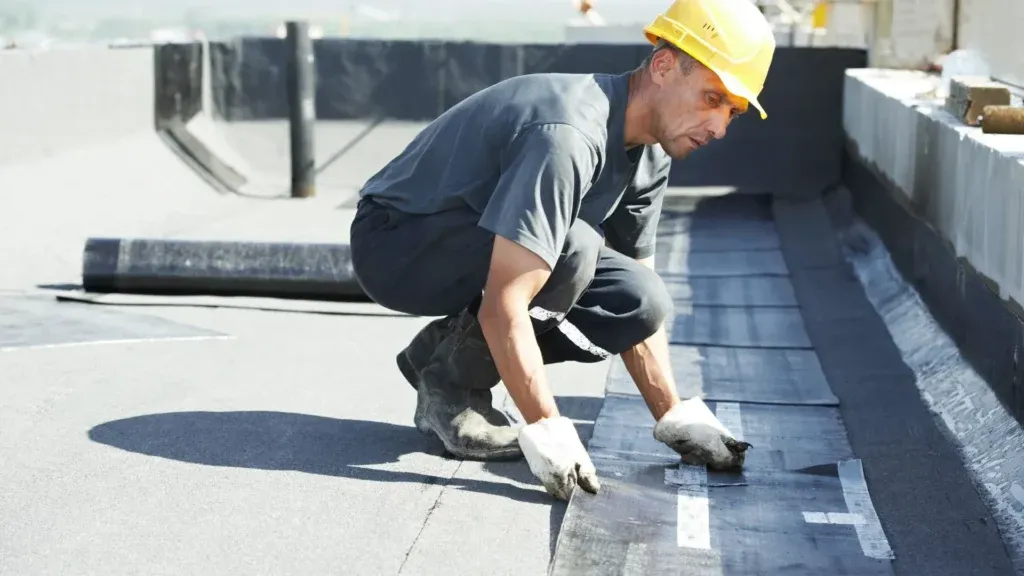
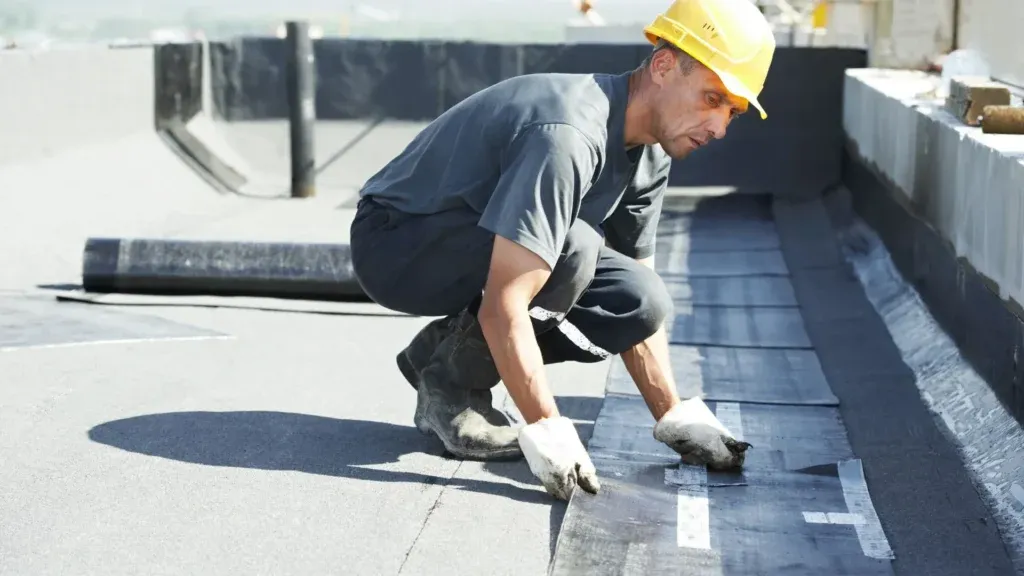
Flat and low-slope roofs are common on commercial buildings, additions, patios, and some modern residential designs. In Florida, many TPO and modified bitumen systems last about 15 to 30 years, depending on membrane quality, thickness, drainage, installation, and maintenance.
Flat roofs demand special attention because standing water is one of the fastest ways to shorten roof life. Ponding water, clogged drains, punctures, open seams, and damaged flashing can create leaks that spread through insulation and decking. Commercial property owners should schedule routine inspections before and after storm season, especially if the building has a history of drainage problems. Dura Guard also handles commercial roof replacement for Florida properties that need a full system upgrade.
How Florida Insurance Can Affect Roof Replacement Timing
Insurance is one of the biggest reasons Florida homeowners ask about roof age. A roof may not be actively leaking, but the age of the roof can still affect policy renewal, inspections, and replacement conversations.
Florida law says an insurer may not refuse to issue or renew a homeowners policy solely because a residential roof is less than 15 years old. For a roof that is at least 15 years old, the insurer must allow the homeowner to obtain an authorized roof inspection before requiring replacement as a condition of issuing or renewing coverage. If the inspection shows the roof has at least 5 years of useful life remaining, the insurer may not refuse the policy solely because of roof age. Homeowners can review the language in Florida Statute 627.7011.
This is why documentation matters. A professional inspection can help you understand remaining useful life, identify storm damage, and document the roof condition before insurance pressure becomes urgent. It is also why waiting until renewal season can be stressful. If your roof is approaching 15 years old, getting ahead of the inspection process is usually smarter than reacting to a notice.
If your roof is 15 years old or older, request a roof inspection before small issues become insurance problems, interior leaks, or emergency repairs.
Should You Repair or Replace an Older Florida Roof?
Repair makes sense when the roof is relatively young, the damage is isolated, the decking is sound, and the surrounding roof still has useful life left. Replacement becomes the better option when repairs are frequent, leaks are recurring, storm damage is widespread, or the roof is near the end of its expected Florida lifespan.
Here is a practical way to think about it:
- Repair if damage is limited to a few shingles, one flashing area, or a single storm-related issue on an otherwise healthy roof.
- Inspect carefully if the roof is 12 to 15 years old, has had multiple repairs, or is showing broad wear.
- Plan replacement if the roof is older than its expected material lifespan, leaks repeatedly, has structural concerns, or may create insurance renewal problems.
There is also a cost question. Paying for repeated repairs on a roof that is already near the end can waste money that would be better applied toward a new system. Dura Guard Roofing can inspect the roof, explain the condition, and help you compare repair versus residential roof replacement options.
How to Extend the Life of a Florida Roof
You cannot stop Florida heat, humidity, and hurricane season, but you can reduce avoidable wear. The roofs that last longest are usually the roofs that are installed correctly, inspected consistently, and repaired before water gets into the structure.
Schedule annual inspections
Have the roof checked at least once a year and after major storms. A professional can identify lifted shingles, loose tiles, failing sealant, flashing gaps, punctures, drainage problems, and early moisture intrusion before they become expensive.
Keep gutters, valleys, and drains clear
Debris traps moisture and slows water movement. On flat roofs, clogged drains can lead to ponding water. On sloped roofs, blocked valleys can force water under shingles or tiles.
Fix flashing and sealant issues quickly
Many leaks start around penetrations, walls, vents, skylights, and chimneys. These areas should be checked regularly because sealants and flashing details often fail before the main roof covering does.
Maintain attic ventilation
Good ventilation helps reduce heat and moisture buildup. Poor ventilation can shorten shingle life, increase attic temperatures, and contribute to moisture problems.
Choose Florida-ready materials
Material selection should match the home, budget, location, wind exposure, salt exposure, and long-term goals. If you are comparing options, Dura Guard’s guide to the best roofing materials for Florida homes can help you understand how shingle, metal, tile, and flat roof systems perform in this climate.
When to Call Dura Guard Roofing
Call for a professional inspection if your roof is over 10 years old, if you see signs of storm damage, if your insurance company is asking about roof age, or if you are trying to decide between repair and replacement. The earlier you know the condition of the roof, the more options you have.
Dura Guard Roofing serves homeowners and businesses across Southeast Florida, including Martin County, St. Lucie County, Palm Beach County, and select Broward County projects. The company is based in Stuart and provides roof inspections, roof repair, roof replacement, shingle roofing, metal roofing, tile roofing, flat roofing, commercial roofing, and emergency storm response.
Dura Guard’s process starts with a free inspection, documentation of roof condition, and a transparent quote. For qualifying projects, financing options may also be available. As the only TAMKO Diamond Contractor on Florida’s East Coast according to company materials, Dura Guard can offer warranty advantages that many local competitors cannot match.
Ready to find out how long your roof has left? Contact Dura Guard Roofing for a free, no-obligation inspection and a clear recommendation based on your roof, your home, and Florida conditions.
FAQs About Florida Roof Lifespan
How long does a shingle roof last in Florida?
A shingle roof in Florida commonly lasts 15 to 25 years, although basic 3-tab shingles may last closer to 10 to 20 years and higher-quality architectural shingles may last longer with proper installation, ventilation, and maintenance.
How long does a tile roof last in Florida?
A clay or concrete tile roof can last 50 years or more in Florida. However, the underlayment, flashing, and fastening system may need attention before the tiles themselves reach the end of their life.
How long does a metal roof last in Florida?
A properly installed metal roof can last 40 to 70 years in Florida. Coastal homes need materials, coatings, and fasteners selected for salt air and wind exposure.
Does insurance require roof replacement at 15 years in Florida?
Not automatically. Florida law gives homeowners with roofs that are at least 15 years old the opportunity to obtain an authorized inspection before an insurer requires replacement as a condition of issuing or renewing coverage. If the inspection shows at least 5 years of useful life remaining, the insurer may not refuse coverage solely because of roof age.
What is the best roof material for Florida?
The best material depends on the home, budget, structure, location, and long-term goals. Metal and tile often provide the longest service life, while architectural shingles can be a cost-effective option when installed with Florida wind and weather conditions in mind.
How often should a Florida roof be inspected?
Most Florida roofs should be inspected at least once a year and after major storms. Roofs older than 10 to 15 years, coastal roofs, and flat roofs may need closer monitoring.
