
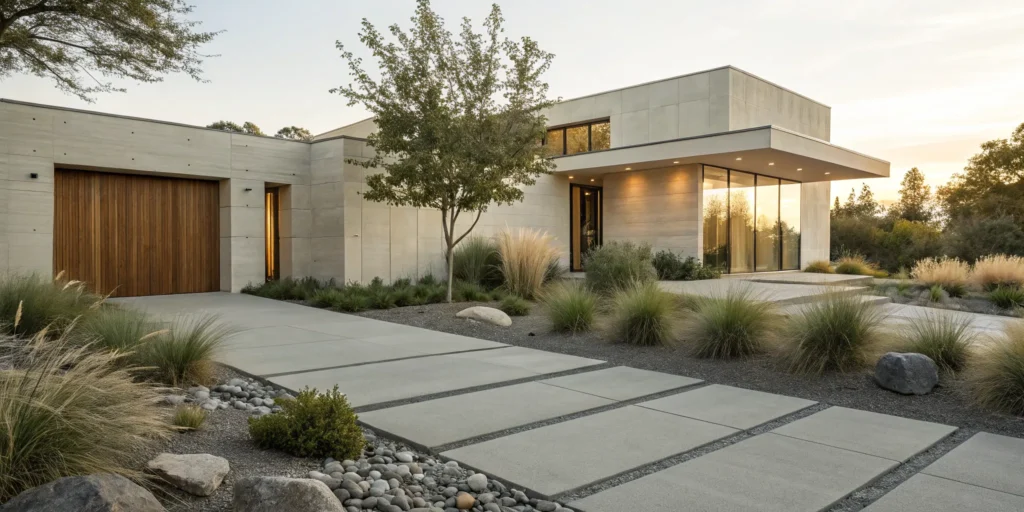
When you hear the phrase “low-maintenance yard,” you might picture a sea of gravel and a few lonely cacti. But a yard that’s easy to care for can also be vibrant, colorful, and full of life. The goal isn’t to eliminate nature; it’s to create a beautiful, self-sustaining ecosystem that looks great year-round without constant effort from you. It’s about working smarter, not harder. By choosing hardy plants suited for our Florida climate and incorporating lasting design elements, you can have it all. This guide will show you how low maintenance front yard landscaping is the key to a gorgeous property that doesn’t consume your life.
Florida’s #1 Rated Roofing Contractor
Ready for a Roof That Lasts 50 Years?
Get a 100% free, no-obligation roof inspection from South Florida’s only TAMKO Diamond Contractor. No pressure. No hidden fees. Just honest answers.
⭐ 4.8 Google Rating · 600+ Roofs Completed · A+ BBB Rated · Licensed & Insured
Key Takeaways
- Build your yard around the right plants: Choosing native, drought-tolerant, and perennial plants from the start is the most effective way to create a beautiful yard that requires less watering, weeding, and overall effort.
- Replace grass with stylish alternatives: You can significantly cut down on mowing by swapping sections of your lawn for lasting features like stone walkways, ground covers, or expanded garden beds filled with gravel or mulch.
- Adopt water-wise habits: Simple practices like applying a thick layer of mulch and using drip irrigation systems help your soil retain moisture and deliver water efficiently, which keeps plants healthy while lowering your water bill.
What Is a Low-Maintenance Front Yard?
A low-maintenance front yard is exactly what it sounds like: a beautiful, welcoming space that doesn’t demand all your free time. The goal is to create a landscape that looks great with minimal effort. This means you can spend less time on chores like mowing, weeding, pruning, and watering, and more time actually enjoying your home. It’s about making smart, strategic choices with plants, materials, and design so your yard works for you, not the other way around. By focusing on durable plants and clever hardscaping, you can achieve stunning curb appeal without the constant upkeep.
The Main Benefits for Homeowners
The most significant benefit of a low-maintenance yard is the freedom it gives you. Instead of dedicating every sunny weekend to yard work, you can relax or spend time with family. It also provides a huge sense of accomplishment. Creating a beautiful and sustainable landscape enhances your property’s value and brings a lot of personal satisfaction. While you can always hire professionals, taking on some of these tasks yourself can be incredibly rewarding. You get to connect with your outdoor space and watch it thrive, knowing you made smart choices that will pay off for years to come.
How It Saves You Time and Money
Switching to a low-maintenance design directly impacts your schedule and your wallet. You’ll reclaim your weekends from the endless cycle of mowing, fertilizing, and weeding. This gives you more time for hobbies, friends, or simply relaxing on the patio. Financially, the savings add up quickly. You’ll spend less on water, especially with drought-tolerant plants. You’ll also cut costs on fertilizer, pesticides, and gasoline for lawn equipment. There are many ways to save money on landscape maintenance, from buying supplies in bulk to choosing plants that don’t need constant care, making it a wise investment for any homeowner.
Why Choose a Low-Maintenance Landscape?
A beautiful front yard doesn’t have to be a second job. A low-maintenance landscape is all about smart, strategic design that gives you maximum curb appeal with minimum effort. It’s not about settling for a barren, uninspired space. Instead, it’s about creating a yard that works with Florida’s natural environment, not against it. This approach frees up your weekends, saves you money, and gives you a consistently beautiful property you can be proud of. For busy homeowners, it’s a practical way to maintain your home’s value and appearance without the constant upkeep.
Reduce Your Water Bill
In Florida, keeping a traditional lawn green can feel like a constant battle against the sun, and your water bill often shows it. A low-maintenance landscape offers a direct solution. By choosing drought-tolerant plants and designing your yard for water efficiency, you can significantly cut down on irrigation needs. Adopting efficient irrigating techniques and using Florida-friendly plants is a proactive approach that conserves a vital resource while putting money back in your pocket. It’s a simple switch that makes your yard more sustainable and your budget more predictable, especially during those long, dry spells.
Use Fewer Chemicals
Many people think a vibrant, pest-free yard depends on a steady supply of fertilizers and pesticides. But you can absolutely have a stunning landscape without relying on harsh chemicals. In fact, it’s a common misconception that you can’t maintain a yard without them. There are many natural methods for keeping your yard looking beautiful all year long. By selecting hardy, native plants and building healthy soil, you create an ecosystem that naturally resists pests and diseases. This means a safer environment for your kids, pets, and local wildlife, and less time spent handling and applying chemicals.
Enjoy Year-Round Curb Appeal
A low-maintenance yard is designed to look great through every season, not just after a weekend of hard work. The key is working with nature. By choosing plants that naturally thrive in our region, you reduce the need for constant watering, fertilizing, and pest control. Native plants are already adapted to Florida’s climate, making them a resilient and eco-friendly choice. They provide reliable color and texture throughout the year, creating a landscape that is both beautiful and self-sufficient. This approach ensures your home always has a welcoming and attractive appearance, enhancing its curb appeal without demanding all your free time.
How to Choose the Best Low-Maintenance Plants
The secret to a beautiful yard that doesn’t demand all your free time is choosing the right plants from the start. Smart plant selection is the foundation of a low-effort landscape. It means less watering, weeding, and worrying, and more time enjoying your home’s curb appeal. By focusing on plants that are naturally suited to our Florida climate, you can create a stunning front yard that practically takes care of itself. This approach isn’t about sacrificing beauty for convenience; it’s about making strategic choices that lead to a healthier, more resilient garden that looks great year-round with minimal intervention from you.
Making the right choices comes down to three simple strategies: prioritizing native species, selecting drought-resistant varieties, and building your garden beds around perennials instead of annuals. Each of these tactics helps reduce your workload and your water bill, creating a sustainable ecosystem right outside your front door. By understanding what makes a plant a good fit for our area, you can design a landscape that is both gorgeous and manageable. Let’s walk through how to pick the perfect plants that will thrive in your yard and give you back your weekends.
Go with Native Florida Plants
Working with our local environment, instead of against it, is the easiest way to ensure your garden succeeds. Choosing plants that naturally thrive in Florida reduces your need for constant watering, fertilizing, and pest control. Native plants are already adapted to our sandy soil, humidity, and weather patterns, making them an eco-friendly and incredibly low-maintenance option. They create a habitat for local wildlife and give your yard an authentic sense of place. You can find a great list of options through the Florida Native Plant Society to get started. Think of plants like Coontie Palm, Firebush, and Saw Palmetto, which offer texture and color while requiring very little from you once they’re established.
Pick Drought-Resistant Varieties
Florida is known for its sunshine, which can be tough on thirsty plants. To keep your water bill down and your garden looking fresh, opt for hardy, drought-tolerant varieties. These plants are built to withstand periods with less rain, which means you won’t have to run the sprinkler constantly. Many native grasses, palms, and flowering plants like Lantana and Bougainvillea are excellent choices that add vibrant color without demanding a lot of water. A great resource for finding these is the University of Florida’s guide to drought-tolerant plants. Keep in mind that even drought-resistant plants need regular watering to get established, but once they are, they become remarkably self-sufficient.
Opt for Perennials Over Annuals
If you love flowers but hate replanting them every single year, perennials are your best friend. Unlike annuals, which complete their life cycle in one season, perennials return year after year. This saves you time and money, and your garden becomes more lush and established with each passing season. While annuals can provide a temporary pop of color, making perennials the backbone of your flower beds is a smarter long-term strategy. You can build a beautiful, layered garden with Florida-friendly perennials like Salvia, Coreopsis (our state wildflower), and Verbena. They provide reliable color and structure, forming a beautiful landscape that grows with you.
How to Replace Your Traditional Grass Lawn
A lush, green lawn can be beautiful, but it demands constant attention: mowing, watering, and fertilizing. If you’re ready to spend less time on yard work and more time enjoying your home, rethinking your grass is a great place to start. Replacing or reducing your traditional lawn doesn’t mean sacrificing curb appeal. In fact, it opens up a world of creative, beautiful, and sustainable landscaping options that are perfectly suited for the Florida climate. These alternatives can save you time and money while creating a unique front yard you’ll love.
Consider Ground Cover Alternatives
Instead of grass, think about planting ground covers. These are low-growing plants that spread to form a dense mat of foliage, effectively creating a living carpet. Many ground covers are far less demanding than turfgrass, requiring less water and little to no mowing. Plus, they can offer beautiful textures and seasonal flowers that attract pollinators like bees and butterflies. For Florida yards, consider hardy options like perennial peanut, which has bright yellow flowers, or sunshine mimosa, a native plant with delicate pink blooms. These plants help suppress weeds and create a soft, natural look with a fraction of the effort.
Explore Xeriscaping Techniques
Xeriscaping is a smart landscaping approach that focuses on water conservation. It involves grouping plants with similar water needs and using drought-tolerant species that thrive in our local environment. This doesn’t mean your yard has to be all rocks and cacti. A well-designed xeriscape can be vibrant and full of life, featuring beautiful native Florida plants like coontie palms, lantana, and muhly grass. The key is smart planning: starting with healthy soil, placing plants in the right spots, and using efficient watering methods like drip irrigation. By adopting xeriscaping principles, you can create a stunning landscape that requires minimal irrigation, saving water and lowering your utility bills.
Strategically Shrink Your Lawn
You don’t have to eliminate your lawn completely to make a big impact. Simply reducing its size can significantly cut down on maintenance. You can strategically replace sections of grass with attractive, low-effort alternatives. Expand your flower beds and fill them with native perennials that come back year after year. Create elegant pathways with gravel or stepping stones to break up large grassy areas. You can also use mulch to create clean, defined spaces around trees and shrubs, which helps retain soil moisture and prevent weeds. By shrinking your lawn, you create more visual interest and a more manageable yard, giving you the best of both worlds.
Hardscaping Ideas for Easier Upkeep
A beautiful front yard doesn’t have to be all plants and grass. Hardscaping, which includes all the non-living elements like stone paths, gravel beds, and patios, is your secret weapon for a stunning and low-maintenance design. By strategically replacing high-need areas with durable, attractive hardscape features, you can dramatically cut down on mowing, watering, and weeding. This gives you more time to actually relax and enjoy your home’s curb appeal instead of constantly working on it.
Hardscaping adds structure and year-round interest to your yard. While a garden can look a bit bare in the off-season, stone and paver elements always look polished. It’s about working smarter, not harder, to create a landscape that looks great and gives you your weekends back. From a simple walkway to decorative rock beds, incorporating these elements can completely transform your front yard’s look and feel.
Install Lasting Pathways and Walkways
Tired of that worn-out patch of grass where everyone cuts across the lawn? It’s time to install a permanent, beautiful walkway. Using materials like natural stone, flagstone, or pavers creates a clean, intentional path that guides visitors to your door and stands up to foot traffic for years. Unlike a grass path, a stone or paver walkway requires no mowing or watering. It also helps keep dirt and mud from being tracked into your house. A well-designed path not only adds structure and charm to your landscape but also makes your yard far easier to manage season after season. You can find many walkway ideas to match your home’s style.
Use Decorative Stone and Gravel
Mulch looks great, but it needs to be refreshed every year and can easily wash away during Florida’s heavy rains. For a more permanent and stylish solution, consider using decorative stone or gravel in your plant beds. Instead of mulch, you can use river rock, pea gravel, or lava rock. These materials look clean and modern, last indefinitely, and are heavy enough to stay put. They also do an excellent job of suppressing weeds and helping the soil retain moisture, which means less work for you. Using stone is a simple swap that offers a polished look while saving you time and money on annual upkeep.
Add Clean Borders and Edging
One of the simplest ways to make your yard look tidy is by adding clean borders and edging. Edging creates a crisp, defined line between your lawn, garden beds, and walkways. This visual separation instantly makes your landscape look more polished and professional. More importantly, it serves a practical purpose. A sturdy border made of brick, stone, or metal keeps grass from creeping into your flower beds and prevents gravel or stone from scattering onto the lawn. This simple addition means you’ll spend far less time pulling weeds and cleaning up messy edges, keeping your yard looking sharp with minimal effort.
Design Tips for a High-Impact, Low-Effort Yard
A beautiful front yard doesn’t have to be complicated or time-consuming. With a few smart design choices, you can create a landscape that looks polished and intentional with minimal effort. The key is to work with your space, not against it, by focusing on strong visual elements and plants that do most of the work for you. These simple strategies will help you build a stunning, low-effort yard that adds major curb appeal.
Create a Simple Focal Point
You don’t need a garden full of dozens of different plants to make a statement. Instead, create a simple focal point to anchor your landscape design. A single, well-chosen tree, a striking ornamental grass, or a large, elegant boulder can draw the eye and make your entire yard feel more cohesive. This approach simplifies your design and reduces maintenance, since you’re caring for one standout feature instead of many smaller ones. Think of it as the centerpiece of your outdoor space. By giving the eye a place to rest, you create a sense of calm and order that looks effortlessly chic.
Plan for All-Season Color
A truly low-maintenance yard looks great year-round, not just for a few months in the spring. The secret is to choose plants that offer more than just seasonal flowers. Look for shrubs with interesting foliage, trees with unique bark, or plants that produce colorful berries in the fall and winter. Selecting native Florida plants is a great strategy here, as they are already adapted to our climate and will thrive with less water and attention. This ensures your yard has visual interest through every season, keeping your curb appeal high without requiring you to constantly swap out plants.
Layer Plants to Add Depth
Layering plants is a classic design trick that creates a lush, full look while also cutting down on your weeding chores. Start with taller shrubs or grasses at the back, near your house or a fence. Then, add a middle layer of medium-sized plants and finish with a border of low-growing ground cover or flowers in the front. This technique helps soften the hard edges of driveways and walkways. Planting things close together also helps block out weeds, meaning less work for you. If you prefer a more open look, a thick layer of mulch around your plants will do the same job.
How to Water Your Yard More Efficiently
Watering your yard doesn’t have to be a daily chore or a major drain on your utility bill. With a few smart adjustments, you can keep your plants healthy while conserving water. These strategies are all about working smarter, not harder, by delivering moisture exactly where it’s needed most. This reduces waste from evaporation and runoff, saving you time and money while letting you enjoy your yard instead of constantly working on it.
Set Up a Drip Irrigation System
Instead of spraying water everywhere, a drip irrigation system delivers it slowly and directly to the base of your plants. This method is incredibly efficient because very little moisture is lost to wind or evaporation. It also helps prevent common fungal diseases that happen when leaves stay wet. You can easily install a drip irrigation system and connect it to a timer, giving your plants the perfect amount of water without you lifting a finger. It’s an ideal solution for flower beds and shrubs, ensuring they get consistent hydration right at the roots.
Upgrade to Smart Sprinkler Technology
Smart sprinkler technology takes water efficiency to the next level. These systems use real-time weather data to create the perfect watering schedule, automatically delaying irrigation if rain is in the forecast. Some models even use sensors to measure soil moisture. This proactive approach ensures your lawn and plants are never over-watered. Adopting efficient irrigating techniques like this not only saves water but also encourages deeper, healthier root growth. This makes your entire landscape more resilient, especially during Florida’s hot, dry spells.
Use Mulch to Retain Moisture
Mulch is a low-maintenance yard’s best friend. Applying a two- to three-inch layer of organic mulch, like pine bark or melaleuca, around your plants acts as a protective blanket for the soil. It helps retain moisture by slowing evaporation, which means you’ll need to water less often. As a bonus, mulch also suppresses weeds that compete with your plants for water and nutrients, saving you from extra yard work. A fresh layer of mulch gives your garden beds a clean, polished look while creating a healthier environment for your plants to thrive.
What to Expect When Getting Started
Switching to a low-maintenance yard is an exciting project, but it’s smart to go in with a clear picture of the process. Before you start digging, there are a few practical steps to take care of. Thinking through the rules, budget, and initial plant care will set you up for a smooth transition and a beautiful, stress-free landscape for years to come. It’s all about laying the right groundwork first.
Checking HOA and Local Rules
First things first, do a little homework on your local and neighborhood rules. Before you remove a single blade of grass, check your Homeowners Association (HOA) guidelines and any municipal regulations. Some HOAs have specific rules about lawn alternatives, plant types, and hardscaping materials. Understanding these restrictions upfront can save you from potential fines or having to undo your hard work. While Florida law supports environmentally friendly landscaping, it’s always best to know the specific approval process for your community to ensure your project goes off without a hitch.
Understanding the Upfront Cost
While a low-maintenance yard saves you money in the long run on water and upkeep, be prepared for an initial investment. The upfront cost will depend on the scale of your project, the materials you choose (like stone or mulch), and the price of plants. You can definitely find ways to save, like handling some of the labor yourself instead of hiring a professional for every task. Think of this initial spending as an investment. Putting money into smart features now, like efficient irrigation systems, will lead to significant savings and a healthier environment down the road.
Giving New Plants Time to Settle In
It’s important to remember that “low-maintenance” doesn’t mean “no-maintenance,” especially in the beginning. Your new native and drought-tolerant plants will need some extra attention as they establish their root systems. For the first few months, you’ll need to water them regularly to help them get settled. This initial care is crucial for their long-term health and resilience. A truly manageable yard begins with smart planning and a little patience. Once your plants are established, they’ll be much more self-sufficient, and you can step back and enjoy your beautiful, low-effort landscape.
Common Landscaping Mistakes to Avoid
Creating a beautiful, low-maintenance yard is an exciting goal, but a few common missteps can lead to more work than you bargained for. By sidestepping these typical errors from the start, you can ensure your front yard stays gorgeous and easy to manage for years to come. It all comes down to smart planning and understanding what your landscape truly needs to flourish.
Choosing the Wrong Plants
One of the biggest mistakes is selecting plants that aren’t suited for your specific environment. It’s easy to treat all plants the same, but each has unique needs for sunlight, water, and soil. A shade-loving fern will struggle in direct Florida sun, while a sun-loving succulent will rot in a damp, poorly drained spot. It’s also a misconception that you must only use native plants. While Florida natives are often a great choice, many non-native plants can also thrive here and add wonderful diversity and color to your garden. The key is to do a little research and choose plants that match the conditions in your yard.
Inadequate Soil Preparation
Healthy plants start with healthy soil. Simply digging a hole and dropping a plant in without preparing the ground first is a recipe for disappointment. Most Florida soil, especially sandy types, can benefit from some attention before you plant. A truly manageable yard begins with a strong foundation. Before planting, take the time to loosen the soil about a foot deep and mix in some quality compost. This simple step helps plant roots establish themselves more easily, improves drainage in heavy soils, and helps sandy soils retain moisture and nutrients. It’s an upfront effort that pays off with stronger, healthier plants that require less intervention later.
Forgetting to Mulch
Mulch is a low-maintenance landscape’s best friend, and skipping it can create a lot of extra work for you. A two- to three-inch layer of mulch around your plants works wonders. It helps the soil hold onto moisture, which means you’ll need to water less often. It also protects plant roots from extreme heat and, most importantly, suppresses weed growth. While mulch is fantastic, remember its role can be temporary. The long-term goal is to have your plants grow and fill in the space, eventually shading out weeds on their own. Think of mulching as giving your new plants a head start in the race against weeds.
Simple Tips for Year-Round Success
A low-maintenance yard is a fantastic goal, but it’s important to remember that “low-maintenance” isn’t the same as “no-maintenance.” The secret to a beautiful front yard that doesn’t demand all your free time is establishing simple, consistent habits. A little bit of care throughout the year prevents small issues from turning into big weekend projects. Think of it like any other part of your home’s exterior; proactive upkeep, whether for your garden or a residential roof replacement, is always the smartest approach. By following a few key strategies, you can ensure your landscape stays healthy, vibrant, and easy to manage in every season.
Your Seasonal Care Checklist
Keeping your yard looking its best year-round is all about timing. Instead of letting tasks pile up, a simple seasonal checklist helps you stay ahead of the game. In Florida, our “seasons” are a bit different, so think in terms of the wet and dry seasons. Before the spring dry season kicks in, check your irrigation system for leaks and adjust sprinkler heads. As we head into the hot, rainy summer, refresh your mulch to retain moisture and suppress weeds. In the fall, it’s a great time to prune back overgrown shrubs and perennials after their blooming season. And while our winters are mild, be ready to cover any tender plants if a rare frost is in the forecast. Consistent care is what truly makes a landscape low-maintenance.
Smart Pruning and Weeding Strategies
Even the toughest native plants need a little TLC to look their best. Light, regular pruning encourages healthy growth and keeps your plants from looking unruly. The goal isn’t to perfectly shape everything, but to remove dead or damaged branches and thin out dense areas to improve air circulation. When it comes to weeds, prevention is your best friend. A thick, 2- to 3-inch layer of mulch is one of the most effective ways to stop weeds before they start. For any that do pop up, pulling them by hand when the soil is damp is often the easiest solution. A proactive approach to weeding and pruning means you’ll spend far less time on cleanup later.
How to Keep Plants Healthy Long-Term
The foundation of a thriving, low-effort yard is putting the right plants in the right place. When you choose plants that are native to Florida or well-adapted to our climate, you’re setting yourself up for success. Hardy options like Coontie Palm, Muhly Grass, and Lantana are designed to handle our sun, heat, and sandy soil with minimal fuss. Before planting, amend your soil with compost to give roots a healthy start. Once established, water deeply but infrequently to encourage deep, drought-resistant roots. This simple strategy helps plants become more self-sufficient, reducing your need to constantly water, fertilize, or treat for pests. It’s the most effective way to create a landscape that works with our environment, not against it.
Florida’s #1 Rated Roofing Contractor
Ready for a Roof That Lasts 50 Years?
Get a 100% free, no-obligation roof inspection from South Florida’s only TAMKO Diamond Contractor. No pressure. No hidden fees. Just honest answers.
⭐ 4.8 Google Rating · 600+ Roofs Completed · A+ BBB Rated · Licensed & Insured
Frequently Asked Questions
Does a low-maintenance yard have to be all rocks and gravel? Not at all. A low-maintenance landscape is about smart design, not a lack of greenery. The goal is to create a vibrant, beautiful yard using hardy plants that thrive in Florida’s climate. You can have lush garden beds full of colorful perennials, interesting textures from ornamental grasses, and beautiful ground covers. Hardscaping elements like stone and gravel are great tools to reduce lawn space, but they work best when balanced with plants to create a look that is both beautiful and easy to manage.
How much work is required to get a low-maintenance yard started? It’s true that “low-maintenance” doesn’t mean “no-maintenance,” especially at the beginning. There is an upfront effort involved. The most important work happens before you even plant, like preparing your soil with compost to give plants a healthy start. For the first few months, your new plants will need regular watering to help them establish strong roots. Think of it as a short-term investment of your time that will pay off with years of less work later on.
Can I create a low-maintenance landscape on a tight budget? Absolutely. You don’t have to do a complete overhaul all at once. A great way to start is by tackling one small area at a time, like expanding a single flower bed or creating a gravel path. Choosing perennials over annuals saves money because you don’t have to buy new plants every year. You can also save on labor costs by handling tasks like mulching and planting yourself.
Do I have to get rid of my entire lawn to see the benefits? No, it’s not an all-or-nothing decision. Even just reducing the size of your lawn can make a significant difference in your weekend workload and water bill. You can strategically shrink your grass by expanding the garden beds around your house, creating a mulched area under a large tree, or adding a simple paver patio. This approach allows you to keep some lawn for kids or pets while still enjoying the benefits of a more manageable yard.
What are the best types of plants for a beginner in Florida? The easiest way to ensure success is to choose plants that are naturally suited for our environment. Focus on three key things: native Florida plants, drought-resistant varieties, and perennials. Native plants like Coontie Palm and Firebush are already adapted to our soil and weather. Drought-resistant choices like Lantana will survive our dry spells, and perennials like Salvia will come back year after year. Sticking to these types of plants is the simplest way to build a garden that thrives with minimal help from you.
