
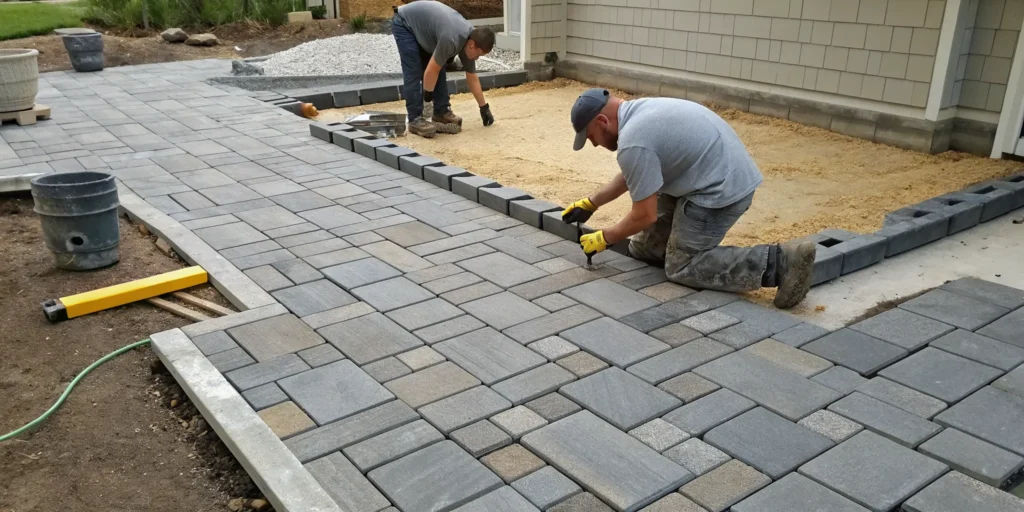
A well-built paver patio can last for decades, but one that’s poorly installed can start to fail in just a few years. You’ve probably seen it before: pavers that are uneven, sinking in spots, or overrun with weeds growing through the cracks. These problems are almost always caused by mistakes made during the installation process, not by the pavers themselves. Rushing the base preparation or ignoring proper drainage can ruin an otherwise beautiful project. This guide is designed to help you avoid those common pitfalls. We’ll show you how a proper paver installation is done, ensuring your hard work results in a stunning, durable space.
Florida’s #1 Rated Roofing Contractor
Ready for a Roof That Lasts 50 Years?
Get a 100% free, no-obligation roof inspection from South Florida’s only TAMKO Diamond Contractor. No pressure. No hidden fees. Just honest answers.
⭐ 4.8 Google Rating · 600+ Roofs Completed · A+ BBB Rated · Licensed & Insured
Key Takeaways
- Prioritize Your Base for a Lasting Patio: The success of your project depends entirely on a well-prepared foundation. Be sure to excavate to the proper depth, compact the gravel base in layers, and create a gentle slope to direct rainwater away from your home.
- Invest in the Right Materials and Restraints: Don’t cut corners on supplies. Use the correct crushed stone and sand for your base, install sturdy edge restraints to prevent pavers from shifting, and finish with polymeric sand to lock everything together and deter weeds.
- Recognize When to Call a Professional: While DIY is rewarding, complex designs, difficult soil conditions, or a simple lack of time are good reasons to hire an expert. A professional ensures the job is done correctly and saves you from potential costly mistakes.
Why Choose Pavers for Your Outdoor Space?
If you’re dreaming of a new patio, walkway, or driveway, you’ve probably considered your material options. While poured concrete and wood decks have their place, interlocking pavers offer a unique combination of strength, style, and simplicity that’s hard to beat. They give you the power to create a truly custom outdoor living area that not only looks fantastic but is also built to handle whatever life, and the Florida weather, throws at it.
Choosing pavers is about more than just picking pretty stones; it’s a long-term investment in your home’s beauty and functionality. From their incredible durability that withstands heavy foot traffic to their design flexibility for a truly custom look, pavers provide a practical and elegant solution for any outdoor project. Unlike a single slab of concrete that can develop large, unsightly cracks over time, a paver surface is made of individual units that can shift and settle without breaking. This makes them an incredibly resilient choice. Let’s walk through the key reasons why pavers are such a popular choice for homeowners.
Built to Last: Durability and Weather Resistance
One of the biggest advantages of pavers is their sheer strength. Unlike a solid slab of concrete that can crack under pressure or from shifting soil, pavers are individual units that work together. This creates a flexible, yet incredibly strong, surface that can handle heavy foot traffic, patio furniture, and even vehicles without breaking a sweat. For those of us in Florida, their ability to withstand our intense sun and heavy rains is a major plus. A properly installed paver patio or driveway is designed for longevity, ensuring your beautiful outdoor space will last for many years to come.
Endless Style: Design Versatility and Aesthetic Appeal
This is where the fun really begins. Pavers give you an incredible amount of creative freedom. Forget a one-size-fits-all gray slab; pavers come in a huge variety of materials, colors, shapes, and textures. You can choose from classic brick, sleek concrete, or natural stone to perfectly complement your home’s architecture and your personal style. Plus, you can arrange them in countless paver patterns, from timeless herringbone to intricate basketweaves, to create a look that is uniquely yours. This versatility means you can design an outdoor space that truly feels like an extension of your home.
Smart & Simple: Eco-Friendly and Easy to Fix
Pavers are a practical choice for a couple of important reasons. First, they can be an environmentally friendly option. Certain types of pavers, known as permeable pavers, are designed to allow rainwater to seep into the ground beneath them. This helps reduce runoff and replenishes groundwater, which is a big win for our local environment. Second, repairs are a breeze. If a paver gets stained or cracked, you don’t have to tear up the whole surface. You can simply lift out the damaged paver and replace it with a new one, making fixes quick, easy, and inexpensive.
Less Work, More Play: Low Maintenance Requirements
Your backyard should be a place for relaxation, not constant work. Pavers help make that a reality with their low maintenance needs. For the most part, keeping your paver surface looking great just requires regular sweeping to clear off leaves and debris. An occasional rinse with a hose can wash away any dirt buildup. For extra protection against stains and weeds, you can have your pavers sealed every few years. This simple upkeep means you’ll spend less time on chores and more time enjoying your beautiful outdoor oasis with family and friends.
Get Your Gear: Essential Materials and Tools
Before you can even think about laying that first paver, you need to get your supplies in order. A successful paver project depends just as much on the quality of your materials and the right tools as it does on your technique. Having everything ready to go before you start makes the whole process so much smoother. Let’s walk through exactly what you’ll need to get the job done right.
Choosing Your Pavers and Base Materials
Picking out your pavers is the fun part—it’s where you get to define the style of your new space. But the secret to a project that lasts lies beneath the surface, in the base materials. For a stable foundation that won’t shift or sink, you’ll need a crushed stone aggregate base and bedding sand. It can be tempting to cut corners here, but please don’t use recycled concrete for your base. It often leads to poor drainage and can cause a white, chalky film on your pavers called efflorescence. Using the right paver base materials from the start is the best way to protect your investment and ensure your hard work pays off for years to come.
The Right Tools for a Professional Finish
The right equipment is what separates a professional-looking patio from one that looks, well, homemade. You’ll need the basics like a shovel, wheelbarrow, level, and a rubber mallet. For a truly solid and even surface, I highly recommend renting a plate compactor. This machine packs down your base material and sets the pavers firmly in place, preventing them from shifting later. You’ll also want a flat trowel for smoothing the sand bed and some stakes and string to keep your lines perfectly straight. A good list of hardscaping tools can help you make sure you have everything before you start digging.
All About Sand and Joint Fillers
Sand plays two very important roles in paver installation. First, you’ll spread a one-inch layer of coarse concrete sand (also called bedding sand) over your compacted base. This creates a level surface to set the pavers on, so don’t compact this layer. After all the pavers are laid, you’ll fill the joints with a different kind of sand. While you can use regular masonry sand, I always suggest using polymeric sand. When you add water, it hardens to lock the pavers together, which helps prevent weeds and keeps ants from moving in. It’s the perfect finishing touch for a durable, low-maintenance patio or walkway.
Laying the Groundwork: How to Prepare the Area
A beautiful paver patio starts from the ground up. Proper site preparation is the most important step for a project that lasts. Taking the time to build a solid, level, and well-drained foundation prevents your pavers from shifting, sinking, or becoming uneven over time. Think of it as the essential first chapter in your outdoor space’s story.
Planning and Excavating Your Site
First, outline your project area. A garden hose is great for creating curves, while stakes and string work well for straight lines. Once you have your shape, it’s time to dig. You’ll need to excavate deep enough for 4 to 6 inches of gravel base, 1 inch of sand, plus the height of your pavers. Before you put a shovel in the ground, always call 811 a few days ahead to have underground utility lines marked. This simple call is free and keeps you safe from accidentally hitting gas, water, or electrical lines.
Installing and Compacting the Base
With your area excavated, you can start building the foundation. Add a 4 to 6-inch layer of gravel base material, like ¾-inch crushed stone. Don’t pour it all in at once; add the gravel in 2-inch layers, compacting each one thoroughly. For the best results, rent a plate compactor. This machine ensures the base is solid and uniform, which is critical for preventing your pavers from settling unevenly later on. A well-compacted base provides the stable support your patio needs to handle foot traffic and furniture for years.
Creating the Proper Slope for Drainage
Proper drainage is key to a long-lasting paver installation, especially in areas with heavy rain. You need to create a slight slope to direct water away from your home’s foundation. A good rule of thumb is to create a drop of about one-quarter inch for every foot of distance. You can set this slope using stakes and a leveled string line as your guide while you spread and compact your gravel base. This small detail makes a huge difference in preventing water damage, erosion, and pooling water on your finished patio.
Your Step-by-Step Guide to Laying Pavers
With your base perfectly prepped, you’re ready for the most satisfying part: laying the pavers. This is where your project truly comes to life. Follow these steps carefully to ensure your new patio or walkway is beautiful, level, and built to last.
Spreading and Leveling the Sand Bed
First, you’ll need to create a smooth bed for the pavers to rest on. Spread a one-inch layer of coarse concrete sand over your compacted base. To get this layer perfectly level, a simple screeding technique works wonders. Lay two one-inch metal pipes parallel to each other across the base, then pull a straight 2×4 board across the top of them. This removes excess sand and creates a uniform, uncompacted surface. Work in small sections, removing the pipes and filling in the gaps as you go.
Placing Pavers in Your Chosen Pattern
Now for the fun part. Start laying your pavers from a corner or a straight edge, like the side of your house. Place each paver gently onto the sand bed, being careful not to slide it or disturb the sand. Your goal is to place it straight down. Keep the pavers close together, about hand-tight, to create consistent joint lines. Use a string line stretched along the edge of your pattern to keep your lines perfectly straight. You can gently tap each paver with a rubber mallet to set it into place as you work through your chosen pattern.
Cutting Pavers and Installing Edge Restraints
As you reach the edges of your project, you’ll likely need to cut some pavers to fit perfectly. A wet mason saw is the best tool for getting clean, precise cuts. Once all your pavers are in place, you need to lock them in. Install sturdy plastic or metal edge restraints around the entire perimeter of your paved area. Secure these restraints into the base material using 10-inch steel spikes every foot or so. This crucial step prevents the pavers from shifting or spreading apart over time, keeping your hard work intact.
Applying Polymeric Sand and Compacting the Surface
The final step is to fill the joints and lock everything together. Sweep dry polymeric sand across the entire surface, working it into the gaps between the pavers until they are completely full. This special sand hardens when activated with water, which helps prevent weeds and insect infestations. Once the joints are filled, run a vibrating plate compactor over the entire surface. This settles the pavers into the sand bed and vibrates the joint sand down, creating a strong, interlocking surface that will stand the test of time.
Common Paver Installation Mistakes to Avoid
Even the most carefully planned paver project can go wrong if you fall into a few common traps. Knowing what to watch out for can save you a lot of headaches and ensure your beautiful new patio or walkway stands the test of time. Let’s walk through the biggest mistakes DIYers make so you can steer clear of them.
Rushing Your Base Preparation
I get it, preparing the base is the least glamorous part of the job. It’s tempting to speed through the digging and compacting to get to the fun part of laying pavers. But please, don’t. The base is the foundation of your entire project. A poorly prepared base is the number one reason paver installations fail. When you don’t properly compact the base, the ground will eventually settle, creating uneven spots and wobbly pavers. Take your time to excavate to the right depth and compact the aggregate in layers. A solid foundation is non-negotiable for a lasting, professional-looking result.
Ignoring Drainage and Slope
Water is the enemy of a stable paver surface. If it has nowhere to go, it will pool on top, seep into the joints, and erode the base material underneath. This is especially important here in Florida where we get heavy downpours. To prevent this, you need to build a slight slope into your project. A good rule of thumb is to create a grade of about 1/4 inch down for every foot of distance, directing water away from your home’s foundation. This gentle, almost unnoticeable slope ensures proper water runoff and protects the integrity of your hard work for years to come.
Using Incorrect Materials or Edge Restraints
The materials you choose matter just as much as your technique. Avoid using recycled concrete for your base, as it can cause drainage issues and a white, chalky film (efflorescence) to appear on your pavers. Stick to the recommended crushed stone aggregate and coarse bedding sand. Just as important are edge restraints. These plastic, metal, or concrete borders are what hold your entire project together. Without them, the pavers on the perimeter will shift and separate over time, creating unsightly gaps. Neglecting edge restraints is a surefire way to watch your beautiful pattern slowly drift apart.
Know When to Call a Pro
Taking on a DIY project is incredibly rewarding, but it’s also important to know your limits. Sometimes, the smartest move you can make is to step back and hire a professional. Acknowledging that a project is beyond your current skill set or available time isn’t a failure; it’s a strategic decision that guarantees a beautiful, long-lasting result for your home. After all, the goal is a stunning outdoor space you can enjoy for years, not a source of frustration.
Deciding to call in an expert can save you from costly mistakes, physical strain, and a finished product that doesn’t quite meet your vision. If you find yourself facing a particularly tricky situation or just feel overwhelmed by the scope of the work, bringing in a seasoned contractor is the best way to protect your investment and ensure the job is done right the first time.
For Complex Projects or Difficult Soil
If your dream patio involves intricate patterns, multiple levels, or retaining walls, it’s wise to consult a professional. These complex designs require precise measurements and techniques that can be challenging for a first-timer. The same goes for the ground you’re building on. A solid base is everything; a good one ensures your patio will last for more than 25 years, while a poorly prepared one might fail in just five. Professionals have the expertise to properly assess soil conditions, which is especially important in Florida’s sandy terrain, and make the necessary adjustments for a stable, durable foundation.
To Save Time and Ensure a Perfect Result
Let’s be honest: while DIY projects are satisfying, they demand a significant amount of your time and energy. If your weekends are already packed, handing the job over to a pro can be a huge relief. Hiring an experienced contractor saves you time and ensures the installation is done correctly and efficiently. They have the specialized tools, a skilled team, and the know-how to manage the project from start to finish, delivering a perfect result that meets your expectations without you having to lift a single paver. This way, you can get straight to enjoying your new outdoor space.
Florida’s #1 Rated Roofing Contractor
Ready for a Roof That Lasts 50 Years?
Get a 100% free, no-obligation roof inspection from South Florida’s only TAMKO Diamond Contractor. No pressure. No hidden fees. Just honest answers.
⭐ 4.8 Google Rating · 600+ Roofs Completed · A+ BBB Rated · Licensed & Insured
Frequently Asked Questions
How long can I expect my paver patio to last? A properly installed paver patio is a long-term investment in your home. When the base is correctly excavated and compacted, you can expect your patio or walkway to last for 25 to 50 years. The pavers themselves are incredibly strong; the real key to their longevity is the quality of the foundation built beneath them.
Do I really need to seal my pavers, and how often? While it’s not mandatory, I always recommend sealing your pavers. A good sealer acts like a protective shield, guarding against stains from things like oil or spilled drinks, and it helps prevent the color from fading under the intense Florida sun. It also hardens the joint sand, which helps keep everything locked in place. Plan on applying a new coat of sealer every three to five years to keep your space looking fresh.
Is it significantly cheaper to install pavers myself? Doing the project yourself can save you money on labor, but be sure to look at the full picture. You’ll have to purchase all the materials and rent specialized equipment, like a plate compactor. The biggest risk is making a mistake with the base preparation, which can lead to costly repairs down the road. For a small, straightforward project, DIY can be a great option. For anything large or complex, a professional’s expertise often provides better value and a guaranteed result.
How can I stop weeds from growing between my pavers? Your best line of defense is using polymeric sand in the joints during installation. This sand contains a binding agent that hardens when wet, creating a firm barrier that makes it very difficult for weeds to push through. If an occasional weed does appear over time, it’s usually easy to pull by hand. Keeping the surface swept clean also helps, as it removes the dirt and seeds that weeds need to germinate.
What’s involved in replacing a single cracked or stained paver? This is one of the biggest advantages of a paver surface. To fix a single damaged paver, you’ll use a flathead screwdriver or a similar tool to carefully dig out the hardened sand from the joints around it. Once the paver is loosened, you can pry it out. Then, you just need to level the bedding sand beneath it, set the new paver in place, and sweep fresh polymeric sand into the joints to secure it.
