
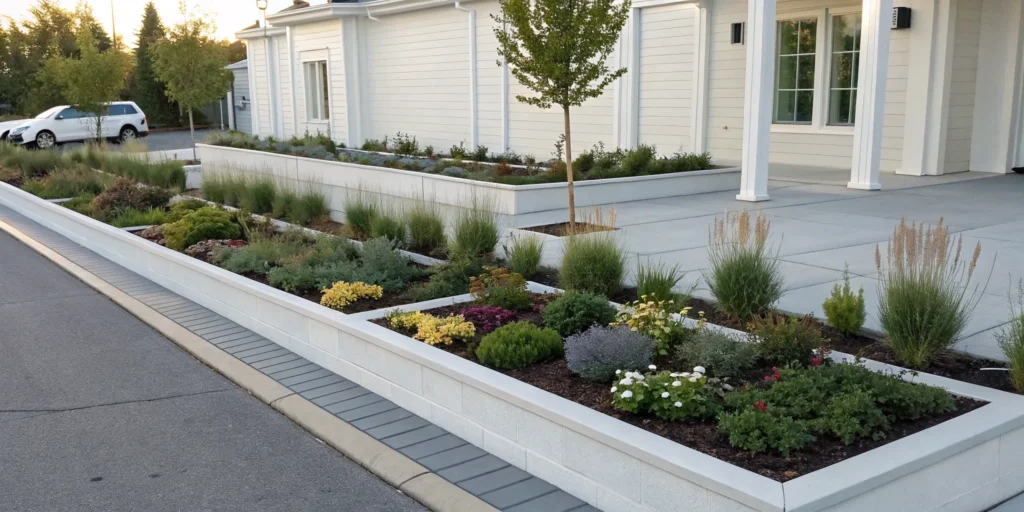
You want a beautiful front yard, but you don’t have hours to spend weeding and watering every weekend. The good news is, a stunning garden doesn’t have to be a high-maintenance headache. By making smart choices from the start, you can create a flower bed that practically takes care of itself. This guide is all about low-effort, high-impact front yard flower bed ideas for busy homeowners. We’ll share simple strategies like choosing drought-tolerant plants, using mulch to save time, and grouping plants with similar needs. Get ready to create a gorgeous, welcoming entrance that gives you more time to relax and enjoy it.
Florida’s #1 Rated Roofing Contractor
Ready for a Roof That Lasts 50 Years?
Get a 100% free, no-obligation roof inspection from South Florida’s only TAMKO Diamond Contractor. No pressure. No hidden fees. Just honest answers.
⭐ 4.8 Google Rating · 600+ Roofs Completed · A+ BBB Rated · Licensed & Insured
Key Takeaways
- Plan before you plant: A successful garden starts with understanding your yard’s conditions. Assess your sunlight, improve your soil with compost, and choose a shape and size for your bed that complements your home’s scale.
- Select the right plants for less work: Create a thriving, low-maintenance garden by choosing plants suited for Florida’s climate. Use a mix of perennials for a lasting foundation, annuals for seasonal color, and native plants that are naturally tough and beautiful.
- Design for lasting impact: Create a full, professional look by layering plants according to height. Stick to a color scheme that complements your home and mix in plants that bloom at different times to ensure your garden is always vibrant.
Why a Front Yard Flower Bed Matters
Your home’s exterior is a complete package. While a sturdy roof is the ultimate protector, the details at ground level are what create personality and charm. Your front yard is the very first thing people see, and a thoughtfully designed flower bed does more than just add a splash of color. It’s a powerful tool for shaping perceptions, making your home feel welcoming, and even increasing its value.
Think of your front yard as the opening chapter of your home’s story. It sets the tone for everything inside. A neglected, overgrown space can suggest the rest of the property is similarly uncared for, while a vibrant, well-tended garden sends a message of pride and attention to detail. This first impression matters, whether you’re welcoming friends for dinner or listing your house on the market. A beautiful landscape frames your home, highlighting its best features and creating a sense of place. Whether you’re looking to sell soon or simply want to create a more beautiful space to come home to every day, investing a little time in your front flower beds can deliver a huge return. It’s one of the most effective ways to make a lasting positive impression on guests, neighbors, and potential buyers.
Create an Inviting First Impression
Your front yard is your home’s handshake. Before anyone rings the doorbell, they’ve already formed an opinion based on what they see from the street. A beautiful flower bed filled with colorful blooms and lush greenery instantly makes your home feel more inviting and friendly. It shows that you care about your property and creates a warm welcome for visitors. This simple touch can transform a generic entryway into a memorable and personal statement, reflecting your home’s style and personality before anyone even steps through the door. It’s a way to say “welcome” without saying a word.
Increase Your Home’s Curb Appeal and Value
Great curb appeal is about creating a beautiful, cohesive look that makes your home stand out for all the right reasons. A well-designed flower bed is a cornerstone of this, adding texture, color, and life that can significantly enhance your property’s aesthetic. From sunny black-eyed Susans to elegant roses, the right plants can complement your home’s architecture and draw attention to its best features, like a handsome entryway or a beautiful new tile roof. This visual boost doesn’t just look good; it can translate directly into higher property value by making your home more attractive to potential buyers.
How to Plan the Perfect Front Yard Flower Bed
A stunning flower bed doesn’t happen by accident. It starts with a solid plan. Before you head to the nursery, taking the time to think through a few key details will save you time, money, and frustration down the road. Proper planning ensures the plants you choose will actually thrive in your yard and that the final design complements your home beautifully. Think of it as creating a blueprint for your garden. By mapping out the essentials first, you set your flower bed up for a season of lush, vibrant success. Let’s walk through the simple steps to get you started.
Assess Your Yard’s Conditions
The first step is to become an expert on your own front yard. Spend a day observing how the sun moves across the space you have in mind. Does it get blazing, direct sun for more than six hours? That’s “full sun.” Is it a mix of sun and shade? That’s “partial shade.” Or is it mostly shaded by trees or your home’s structure? Knowing your yard’s specific light conditions is the single most important factor in choosing plants that will flourish. This is also a good time to think about the overall front yard landscape and how a new flower bed will fit into the existing space, walkways, and driveway.
Improve Your Soil and Drainage
Healthy plants start with healthy soil. In Florida, we often deal with sandy soil that drains quickly and doesn’t hold many nutrients. Before you plant anything, you’ll want to improve your soil’s foundation. This means clearing the area of any grass or weeds and then working in organic matter like compost or garden soil. This simple step helps the ground retain moisture and provides the vital nutrients your flowers will need to grow strong roots and produce beautiful blooms. Good drainage is also key, so make sure water doesn’t pool in the area after a heavy rain.
Choose the Right Shape and Size
Now for the fun part: designing the layout. The shape and size of your flower bed should be proportional to your house and the rest of your yard. A tiny bed can get lost against a large home, while an oversized one might overwhelm a small lawn. A great way to visualize different options is to lay a garden hose or rope on the ground to outline potential shapes. Try out gentle curves for a natural feel or straight lines for a more formal, modern look. Consider how the bed will look from the street, your front door, and your windows to find the perfect fit.
Set a Budget for Your Project
Creating a budget from the start helps keep your project on track. Factor in the costs of plants, soil amendments, mulch, and any edging materials you might want to use. Plants will likely be your biggest expense, so do a little research on the average cost of the flowers you’re interested in. If you’re working with a tight budget, you can always start with a smaller bed and expand it over time. Remember, you don’t need to spend a fortune to create a big impact. Many simple landscaping ideas are both beautiful and budget-friendly.
What Are the Best Flowers for a Florida Front Yard?
Choosing flowers for a Florida yard is all about working with our unique climate, not against it. The intense sun, high humidity, and sandy soil mean you need plants that are tough, beautiful, and ready to handle the heat. The right flowers will give you a stunning landscape without demanding all your free time. By focusing on plants that thrive here, you can create a vibrant, welcoming entrance that looks great all year. Let’s look at three types of plants that are perfect for the job: perennials, annuals, and Florida natives.
Pick Perennials for Year-Round Color
If you want consistent beauty with less effort, perennials are your best friend. These are the plants that come back year after year, forming the foundation of your flower bed. Florida’s unique climate allows for a diverse range of flowers that can keep your garden bursting with color every season. With their large, tropical blooms, hibiscus plants thrive in Florida’s summer heat and add a classic tropical feel. Other fantastic choices include the hardy lantana, which attracts butterflies, and pentas, which produce star-shaped flowers almost nonstop. Investing in Florida-friendly perennials means you’ll do the heavy lifting once and enjoy the rewards for years to come.
Add Annuals for a Pop of Color
Annuals are the perfect way to inject a fresh burst of vibrant color into your garden each season. These plants live for one growing season, giving you the flexibility to experiment with new colors and designs every year. They are great for filling in empty spots between perennials or for creating show-stopping container arrangements. One of the easiest flowers to grow in Florida, pentas blooms nonstop, producing showy clusters of red, pink, lavender, or white flowers. Other sun-loving annuals like zinnias, marigolds, and vinca are also excellent choices that can take the heat. You can easily find annuals that will give your front yard an immediate and powerful impact.
Go Native with Low-Maintenance Plants
For a truly low-maintenance and eco-friendly garden, you can’t beat native plants. These are the flowers that have adapted to Florida’s environment over thousands of years, so they’re naturally resistant to local pests and diseases and require less water and fertilizer. Florida’s climate allows for permanent installations of flowering plants that continue to thrive year-round, making native plants a great choice for sustainable gardens. Options like the cheerful Coreopsis (our state wildflower), the resilient Blanket Flower, and the striking Black-Eyed Susan will not only look beautiful but also support local pollinators like bees and butterflies. Choosing native Florida wildflowers is a smart way to create a gorgeous yard that’s also great for the environment.
Design a Stunning Flower Bed Layout
Once you have a plan for the basics like shape, size, and soil, you can get to the most exciting part: designing the layout. A thoughtful design is what separates a simple patch of flowers from a truly stunning garden feature. You don’t need to be a professional landscape designer to create a beautiful arrangement. By focusing on a few key principles like layering, color, and seasonal planning, you can create a flower bed that looks full, cohesive, and interesting all year long.
Layer Plants by Height and Texture
A great flower bed has depth and dimension, which you can easily create by layering your plants. The general rule of thumb is to place taller plants in the back, medium-height plants in the middle, and shorter, ground-hugging plants in the front. This simple technique ensures every plant is visible and creates a lush, full look. Think of it as arranging a group photo; you want to see everyone! Beyond height, play with different textures. Combine plants with fine, feathery foliage with those that have large, bold leaves. This contrast adds another layer of visual interest.
Create a Harmonious Color Palette
Color is a powerful tool in garden design. To create a unified look, try sticking to a simple color palette. You could choose complementary colors (opposites on the color wheel, like purple and yellow) for a vibrant, high-contrast look, or go with analogous colors (next to each other on the color wheel, like blue and violet) for a more serene feel. Don’t forget that green is a color, too! The various shades of foliage can tie everything together. You can also create a sense of harmony if you unify the scene by grouping flowers with similar shapes, even if their bloom colors are different.
Plan for Year-Round Blooms
In Florida, we have the advantage of a long growing season, so there’s no reason for your flower bed to look empty for half the year. The key is to select a variety of plants that bloom in different seasons. When one plant finishes its show, another can take center stage. A great strategy for four-season interest is to incorporate a mix of evergreen shrubs for a permanent structural backbone, perennials that return year after year, and colorful annuals for a seasonal punch. A little planning now means you’ll have a vibrant, engaging garden to enjoy no matter the time of year.
Low-Maintenance Ideas for Busy Homeowners
A beautiful flower bed doesn’t have to mean hours of work every weekend. You can have a stunning front yard without it becoming a second job by simply working smarter. Making a few strategic choices with your plants and layout creates a garden that practically takes care of itself. This means less time watering and weeding and more time enjoying your home’s curb appeal. Here are a few simple strategies to keep your flower beds gorgeous and low-effort.
Choose Drought-Tolerant Plants
Living in Florida means plenty of sunshine but also dry spells. Instead of fighting the climate, lean into it by choosing plants that are naturally drought-tolerant. These hardy plants are adapted to thrive with less water, so you won’t have to run the sprinkler constantly. Think of beautiful, resilient options like bougainvillea, lantana, or coreopsis. When you select plants that are happy in our local conditions, you’re setting yourself up for a garden that looks great with minimal fuss. They’re tough, beautiful, and perfect for a busy lifestyle.
Use Mulch to Save Time and Water
Mulch is a gardener’s best friend, especially in the Florida heat. A simple layer of mulch over your flower bed soil does so much good. It helps the soil retain moisture, so you’ll water less often. It also acts as a natural barrier to suppress weeds, which means you’ll spend far less time pulling them out. You can use pine bark, cypress mulch, or pine straw. Not only is it practical, but a fresh layer of mulch also gives your flower beds a clean, polished look. It’s a simple step that saves you a lot of time and effort in the long run.
Group Plants with Similar Needs
This design trick makes caring for your garden much easier. When picking out plants, pay attention to their needs for sunlight and water. By grouping plants with similar requirements together, you create “care zones.” All your sun-loving, drought-tolerant plants can go in one area, while those that prefer more shade and moisture can live together in another. This way, you’re not overwatering one plant just to keep its neighbor happy. It streamlines your watering routine, making maintenance more efficient and helping all your plants thrive.
Find Your Flower Bed Style
Once you have the basics down, it’s time for the fun part: choosing a style that reflects your personality and complements your home. Think of your flower bed’s style as its personality. Is it free-spirited and a little wild, or is it clean, structured, and modern? The right design can tie your entire front yard together, creating a cohesive look that feels intentional and beautiful. Your home’s architecture can offer clues, but ultimately, the best style is one you’ll love looking at every day. Let’s explore three popular approaches to find the perfect fit for your front yard.
The Casual Cottage Garden
If you love a charming, romantic, and slightly untamed look, the cottage garden is for you. This style is all about abundance. Flower beds are packed with a mix of perennials, annuals, and foliage plants that joyfully mingle and spill over onto walkways. The goal is to create a sense of lushness and informal beauty. For a Florida-friendly cottage garden, think about using plants like Black-eyed Susans, pentas, salvia, and lantana. Don’t be afraid to let them crowd each other; this informal design is what gives the cottage garden its signature fascinating and full appearance.
The Modern, Structured Bed
For those who prefer clean lines and a more minimalist aesthetic, a modern, structured bed is a great choice. This style creates a beautiful play between hardscapes and softscapes. It uses strong geometric shapes for the beds themselves, which are then filled with loosely layered plantings that add texture and movement. The focus is often on form and foliage rather than a riot of color. To get this look, use repeating groups of plants like ornamental muhly grass, agave, or African iris. This creates a sense of rhythm and order while still feeling soft and natural. The result is a polished yet billowy landscape that feels both current and serene.
The Timeless Formal Garden
A formal garden design is defined by order, symmetry, and elegance. This classic style relies on clean, geometric layouts and neatly clipped hedges to create a sense of structure. It’s a perfect match for traditional or colonial-style homes. You can create this look by planting in straight lines or symmetrical patterns on either side of your entryway. Low boxwood hedges are perfect for defining the edges of your beds. For flowers, consider a simple and sophisticated color palette. A garden bed filled with white flowering plants like gardenias, impatiens, or roses can brighten shady spots and looks especially stunning in the evening. A central focal point, like an urn or birdbath, can anchor the entire formal garden design.
Match Your Flower Beds to Your Home’s Style
Your flower beds are an extension of your home, so it’s smart to think of them as part of the overall design. The goal is to create a cohesive look where your landscaping complements your home’s architecture instead of clashing with it. By thoughtfully connecting your garden to your house, you create a polished and intentional look that makes your entire property shine. A little planning here goes a long way in tying everything together beautifully.
Frame Your Entryway and Walkways
Think of your front walkway as the first handshake your home gives guests. Lining it with flower beds creates a warm, welcoming path that guides visitors right to your door. If you have a narrow path, consider widening it to create a more generous entrance and give you more room for planting. You can use low-growing flowers and shrubs to define the edges of walkways, driveways, or steps. This adds a layer of color and texture that makes your entryway feel more inviting and thoughtfully designed. A well-framed entrance is a classic landscape design technique that always makes a great first impression.
Soften Your Home’s Hard Lines
Every house has hard lines and sharp corners, from the foundation to the porch steps. Flower beds are the perfect tool to soften these features, creating a graceful transition between your home and your yard. Planting flowers directly in front of your porch or along the foundation helps blend the structure into the surrounding landscape. You can enhance this natural feel by using materials like river rock, stone, or mulch as borders. These organic textures work beautifully to soften architectural lines and can complement any exterior, whether you have a classic shingle roof or the clean lines of modern metal.
Coordinate with Your Home’s Exterior Colors
For a truly harmonious look, choose flowers that pick up on the colors of your home’s exterior. Take a look at your siding, trim, front door, and even your roof. If you have a home with neutral siding, you can either add a vibrant pop of color or stick to a sophisticated palette of whites and greens. Homes with earthy, warm-toned tile roofing pair beautifully with flowers in shades of yellow, orange, and red. A fun designer trick is to use different plants of the same color but with varied textures and shapes. This creates a striking, layered effect that adds depth and visual interest to your garden beds.
Keep Your Flower Beds Healthy and Vibrant
Once your flower bed is planted, a little regular care will keep it looking its best. Think of it less as a chore and more as a rewarding routine. Consistent, simple actions are the key to lush growth and vibrant, long-lasting blooms. By watering wisely, pruning properly, and keeping an eye out for pests, you can ensure your front yard remains a beautiful and welcoming sight all year long. These simple habits will help your plants thrive in the Florida climate.
Water and Fertilize Smarter
Healthy plants start with healthy soil. Before you even put a plant in the ground, it’s a great idea to dig up the soil, mix in some compost or fertilizer, and clear out any weeds. This prep work gives your flowers the foundation they need to grow strong. When it comes to watering, aim for deep, less frequent sessions in the early morning. This encourages roots to grow deeper into the soil and reduces water loss from evaporation. A good Florida-friendly watering schedule can make all the difference, especially during our hot summers.
Prune and Deadhead for More Blooms
Want more flowers? The secret is deadheading. This simply means pinching or snipping off old, faded blooms. Doing so tells the plant to stop making seeds and instead put its energy into producing more flowers. Pruning is also important for shaping your plants, removing any dead or yellowing leaves, and improving air circulation to prevent disease. Another great tip is to apply a layer of mulch around your plants. Mulch is a superstar in the garden; it helps the soil hold onto moisture, keeps weeds from sprouting, and protects plant roots from the intense Florida sun.
Manage Pests and Weeds Naturally
A healthy garden is your best defense against pests. When you choose plants suited for our climate, especially Florida native plants, you’re already a step ahead. Native species are naturally more resistant to local pests and diseases, and they provide a wonderful habitat for pollinators like bees and butterflies. If you do spot some unwanted critters, try gentle solutions first, like spraying them off with a hose or using an insecticidal soap. For weeds, the best approach is to pull them as soon as you see them, before they have a chance to spread and compete with your flowers for nutrients and water.
Florida’s #1 Rated Roofing Contractor
Ready for a Roof That Lasts 50 Years?
Get a 100% free, no-obligation roof inspection from South Florida’s only TAMKO Diamond Contractor. No pressure. No hidden fees. Just honest answers.
⭐ 4.8 Google Rating · 600+ Roofs Completed · A+ BBB Rated · Licensed & Insured
Frequently Asked Questions
What’s the easiest way to start a flower bed if I’m on a tight budget? The best approach is to start small. You can create a huge impact with a well-planned, compact flower bed framing your mailbox or a corner of your walkway. You can always expand it later. Also, consider buying younger, smaller plants, which are much less expensive than mature ones, and look for multi-packs of annuals to fill in spaces with a lot of color for a low cost.
How do I know for sure if I have “full sun” or “partial shade”? It’s simpler than it sounds. Just observe the spot you’ve chosen for a full day. If it gets six or more hours of direct, unfiltered sunlight, that’s considered full sun. If it gets about three to six hours of direct sun, especially if it’s morning sun, that’s partial sun or partial shade. Anything less, or with only dappled light filtering through trees, is shade.
When is the best time of year to plant a new flower bed in Florida? While our growing season is long, the best times to start a new bed are typically in the fall and spring. The milder temperatures during these seasons give new plants a chance to establish strong roots without the stress of intense summer heat or a rare winter frost. Planting during these windows sets your garden up for success.
My yard is mostly sand. What’s the single most important thing to add to the soil? For sandy soil, the most important addition is organic matter. Mixing a generous amount of compost or a quality garden soil into your existing sand is key. This helps the ground hold onto moisture and provides the essential nutrients that sand lacks on its own, giving your flowers a much better foundation to grow.
Is there a simple rule for making my flower bed look full and not sparse? A great trick for a lush look is to plant in groups of three, five, or seven. Instead of planting single flowers in a straight line, arrange them in small, triangular clusters. This simple technique makes the planting feel more natural and abundant. Also, remember to layer your plants, with taller varieties in the back and shorter ones in the front, so everything is visible.
