
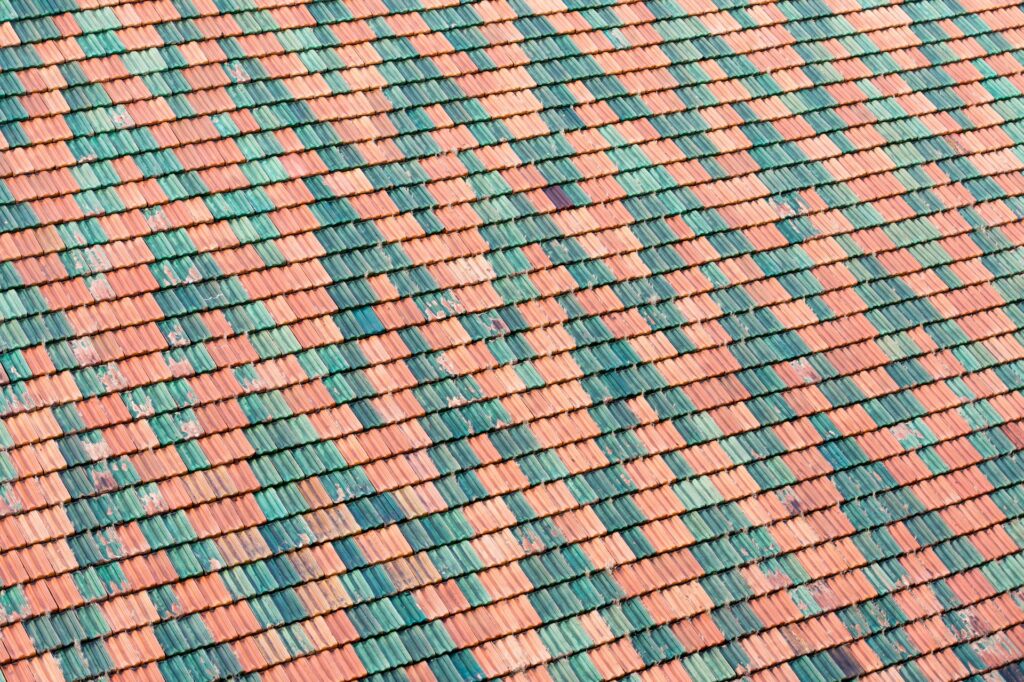
Tile has been protecting Florida homes since the days of the first Spanish settlers. That’s not a coincidence. Long before building codes, impact ratings, and energy efficiency certifications existed, Florida homeowners figured out that tile roofing holds up in this climate better than almost anything else.
Today, the reasons are well documented. Clay and concrete tile roofs resist hurricane-force winds, handle year-round UV exposure without degrading quickly, regulate indoor temperatures to reduce cooling costs, and last decades longer than most alternative materials. For homeowners on Florida’s Treasure Coast comparing tile roofing services, coastal humidity, salt air, and active storm seasons are part of daily life, tile roofing isn’t just a style choice. It’s one of the most practical roofing decisions you can make.
This guide covers everything you need to know before making that decision: how clay and concrete tile compare, what installation actually costs in Florida’s 2025 market, how tile performs in hurricanes, what to expect from a tile roof over its lifetime, and when to repair versus replace.
Why Tile Roofing Is Built for Florida’s Climate
Not every roofing material is designed to perform in Florida’s conditions. Tile is one of the few that genuinely is.
UV resistance. Florida receives more annual solar radiation than nearly any other state. UV exposure degrades roofing materials faster here than in most of the country, breaking down surface coatings, drying out sealants, and shortening lifespans. Clay and concrete tile are inorganic materials that don’t degrade under UV exposure the way asphalt shingles do. They maintain their structural integrity through decades of intense sun.
Thermal mass and energy efficiency. Tile roofs have a natural air gap beneath the tiles as they sit on battens rather than lying flat against the deck. That gap creates a ventilation layer that reduces heat transfer into the home. In Florida, where air conditioning runs hard for most of the year, that thermal break translates to meaningful reductions in cooling costs. Many tile systems also qualify for wind mitigation credits that can lower homeowner’s insurance premiums.
Wind resistance. Properly installed tile roofs resist winds of up to 150 mph, making them one of the strongest-performing residential roofing options in Florida’s hurricane zones. The Treasure Coast sits in an area with significant hurricane exposure, and tile’s wind uplift performance is a real advantage when storm season arrives.
Salt air and moisture resistance. Coastal properties within miles of the Atlantic face salt air exposure that accelerates corrosion in metal fasteners and degrades certain roofing materials faster than inland conditions. Clay and concrete tile are highly resistant to salt air. The key is using appropriate fasteners and underlayment specified for coastal environments something a qualified installer accounts for from the start.
Fire resistance. Both clay and concrete tile carry Class A fire ratings, the highest available. In Florida’s dry season, that’s worth noting.
Clay Tile vs. Concrete Tile: What’s the Difference?
These are the two materials that dominate the Florida tile roofing market, and choosing between them comes down to budget, priorities, and how long you plan to stay in the home.
Clay tile is the original and the premium option. Made from natural clay fired at high temperatures, clay tile is dense, extremely durable, and holds its color naturally over time without fading or requiring repainting. Clay tile roofs routinely last 50 to 100 years or more in Florida, there are clay tile roofs still performing after a century of service. The trade-off is cost. Clay tile is more expensive than concrete, both in materials and installation, and it’s heavier, which means older homes sometimes require structural assessment before installation.
Concrete tile is the more accessible option without being a compromise on performance. Concrete tiles are manufactured to closely replicate the look of clay in virtually any style or profile, and they perform extremely well in Florida’s climate. They resist wind, handle UV exposure well, and provide solid protection against rain and storm activity. Concrete tile roofs typically last 40 to 50 years in Florida’s conditions. The upfront cost is meaningfully lower than clay, which makes concrete tile the right answer for homeowners who want tile’s performance and aesthetics without clay’s price tag particularly if they’re not planning to stay in the home for 50-plus years.
One important note on concrete tile: UV exposure can fade surface color over time. Quality coatings and periodic repainting (roughly every 10 to 15 years) address this, but it’s a maintenance consideration clay tile doesn’t carry to the same degree.
Weight is a factor for both. Tile is significantly heavier than asphalt shingles, and some Florida homes particularly older construction weren’t originally designed to support a tile roof. Before installation, a structural assessment determines whether your home’s framing needs reinforcement. This adds cost but is a necessary step, not an optional one.
How Long Does a Tile Roof Last in Florida?
The honest answer depends on which material you choose and how well the roof is maintained.
Clay tile: 50 to 100 years, with some roofs exceeding a century of service with proper care.
Concrete tile: 40 to 50 years under typical Florida conditions.
Both lifespans far exceed asphalt shingles, which in Florida’s heat and UV exposure typically last 15 to 25 years rather than the 25-to-30-year lifespan manufacturers advertise for cooler climates.
The factors that determine where your tile roof lands within that range include installation quality (the single biggest variable), underlayment specification, maintenance frequency, storm exposure, and how well drainage is managed. A tile roof installed by an experienced contractor using quality underlayment and proper fastening, inspected twice yearly, and maintained promptly when issues develop will consistently outperform one that’s neglected or installed by a less qualified crew.
One nuance worth understanding: individual tiles can crack or break from storm debris or impact over the roof’s lifetime. This is normal, expected, and inexpensive to repair. A cracked tile doesn’t mean the roof is failing, it means a tile needs replacing. The underlayment beneath the tiles provides secondary waterproofing protection even when individual tiles are damaged. This is very different from a shingle roof, where damaged shingles represent more immediate waterproofing failure risk.
Tile Roofing and Hurricane Performance
For Treasure Coast homeowners, hurricane performance isn’t a theoretical consideration. It’s a real operational concern that should directly inform your roofing decisions.
Tile roofs perform exceptionally well in hurricane conditions when installed correctly. Both clay and concrete tiles are rated to withstand winds of up to 150 mph when properly fastened, placing them among the strongest-performing residential roofing materials available in Florida.
The key qualifier is “properly fastened.” Installation method has a significant impact on how a tile roof behaves in high winds. Florida Building Code specifies fastening requirements that vary by location and wind exposure category. The Treasure Coast counties Martin, Palm Beach, Broward, and St. Lucie, each have specific wind load requirements that a licensed contractor must meet. Nail fastening with proper patterns, mortar at ridges and hips, and foam adhesive systems are all used depending on the application and code requirements.
What happens when a hurricane hits a tile roof? Individual tiles may crack or dislodge under extreme debris impact or wind loads, but the underlayment beneath provides a secondary barrier. A tile that gets displaced in a storm can be replaced individually. What doesn’t happen with a properly installed tile roof is the kind of catastrophic loss you see with inadequate systems. Post-storm tile repair is typically targeted and manageable rather than requiring full replacement.
Florida law requires that Florida-licensed roofing contractors obtain permits for all residential roof work and that installations pass inspection. Working with a licensed, insured contractor isn’t just a best practice, it’s the only path to a compliant installation that will hold up to inspection and keep your insurance coverage intact.
Energy Efficiency and Insurance Benefits
Tile roofing delivers real financial benefits beyond the initial investment that Florida homeowners should factor into their decision.
Cooling cost reduction. The natural air gap beneath tile, combined with the thermal mass of the material itself, reduces the amount of heat transferred into your home’s living space. In a climate where air conditioning accounts for a substantial share of annual energy costs, that reduction adds up across a roof’s lifetime.
Wind mitigation credits. Florida insurers offer premium discounts for homes with wind-resistant roofing systems. A wind mitigation inspection after a new tile roof installation documents the system’s resistance, and that documentation goes to your insurance provider. The premium savings vary by insurer and policy, but they’re real and worth pursuing immediately after your roof is complete.
Insurance favorability. New tile roofs, particularly those with documented wind mitigation ratings, are viewed favorably by Florida insurers. In a state where homeowner’s insurance has become increasingly difficult and expensive, having a newer, code-compliant tile roof can meaningfully affect your coverage options and premium.
What Does Tile Roofing Cost in Florida?
Tile roofing is a significant investment. The numbers depend on material choice, roof size, existing structure condition, and installation complexity, but here are the realistic ranges for the Florida market in 2025.
Concrete tile: $10 to $19 per square foot installed. For a typical 2,000 square foot home, expect a total project cost in the range of $20,000 to $38,000.
Clay tile: $12 to $22 per square foot installed. On that same 2,000 square foot home, the range runs from $24,000 to $44,000.
Several factors push costs toward the higher end of those ranges: steep roof pitch (more complex and labor-intensive to work on), multiple peaks and valleys, structural reinforcement requirements on older homes, coastal underlayment and fastener upgrades, and permit and inspection costs.
One cost factor specific to Florida that catches some homeowners off guard: Florida Building Code does not allow tile overlays. When you replace a tile roof in Florida, the old system comes off and the deck is inspected before the new system goes on. That’s the right way to do it , installing over an aging deck hides problems that then become your problems but it means tear-off and disposal are part of every tile replacement project.
How does tile compare to asphalt on a per-year basis? Asphalt shingles in Florida run $9,000 to $17,000 installed for a 2,000 square foot home and last 15 to 25 years. A concrete tile roof at $25,000 that lasts 50 years costs roughly the same per year of service. Clay tile at $35,000 over 100 years costs considerably less per year than asphalt replaced twice over the same period. The upfront cost of tile is real. The long-term value case is also real.
Tile Roof Styles for Florida Homes
Part of tile roofing’s enduring popularity in Florida is how well it suits the state’s most common architectural styles. Here are the profiles most common on the Treasure Coast.
Spanish (S-shaped / barrel) tile is the most recognizable tile profile in Florida the curved tiles that define the Mediterranean and Spanish Colonial aesthetic common throughout South Florida and the Treasure Coast. Excellent water drainage and strong wind resistance make it as practical as it is familiar.
Mission (double barrel) tile uses two separate half-round pieces stacked together. The profile creates natural ventilation channels beneath the tiles, which helps with heat dissipation and airflow in Florida’s warm climate.
Flat (low-profile) tile suits contemporary and transitional architecture. The lower profile means a different look than traditional barrel tile, and it performs well in wind because of its reduced surface area exposed to uplift.
French tile features dual drainage channels that handle heavy rainfall efficiently a practical advantage given Florida’s rainfall intensity during storm season.
Color options across all profiles are extensive. Concrete tile in particular can be manufactured or coated in a wide range of colors to match any home exterior. Clay tile’s natural earth tones have a depth that manufactured finishes replicate but don’t fully match, which is part of what justifies clay’s premium positioning.
Tile Roof Repair vs. Tile Roof Replacement
Knowing when repair is sufficient and when replacement is the right call saves money and avoids making a short-term fix on a system that needs a long-term solution.
Repair makes sense when: Individual tiles are cracked or broken but the surrounding field is in good condition. Flashing at penetrations or ridges needs attention but the membrane and deck are sound. The roof is mid-life with no widespread moisture intrusion. In these situations, targeted tile replacement and flashing repair extend the roof’s service life cost-effectively.
Replacement makes sense when: The underlayment beneath the tiles has reached the end of its service life, which typically happens before the tiles themselves fail. When moisture intrusion has compromised the deck. When repair costs for widespread issues would approach a significant percentage of replacement cost. When the roof is approaching or past the expected lifespan of the tile material.
The underlayment is often the deciding factor on older tile roofs. A tile roof where the tiles themselves look fine but the underlayment is aged and brittle is a roof that’s lost its waterproofing reliability. Tiles can be salvaged and reset on new underlayment in some cases, which reduces replacement cost compared to all-new materials, though this approach depends on how many tiles can be reused without breakage.
An inspection from a qualified contractor gives you the information to make this call based on actual roof condition rather than guesswork.
Tile Roofing on Florida’s Treasure Coast
DuraGuard Roof serves homeowners across Martin County, Palm Beach County, Broward County, and St. Lucie County, the heart of Florida’s Treasure Coast. Tile roofing is the dominant residential choice across this region for good reason: the combination of coastal exposure, year-round heat, hurricane-season wind loads, and HOA requirements that favor quality materials all point toward tile.
Properties in Stuart, Port St. Lucie, Palm Beach Gardens, Fort Lauderdale, and the coastal communities throughout these counties face some of the most demanding roofing conditions in the state. Salt air from the Atlantic requires coastal-rated underlayment and fasteners. Wind exposure from both Atlantic systems and Gulf-influenced weather events demands proper attachment and Florida Building Code compliance. And in neighborhoods with active HOAs, the material and appearance of your roof is often subject to approval requirements that tile consistently meets.
A tile roof installed correctly on a Treasure Coast home is one of the most durable, lowest-maintenance, highest-value investments a Florida homeowner can make in their property; homeowners comparing long-life roof systems can also review metal roofing options for coastal Florida properties.
Why Homeowners Choose DuraGuard Roof
DuraGuard Roof has built a 4.8-star Google rating and A+ BBB rating by doing the work right and treating customers like adults who deserve straight information throughout the process.
Our team handles tile roof installation, repair, and full replacement across the Treasure Coast. Every project starts with a thorough inspection. We walk you through material options, explain the trade-offs clearly, handle permitting from start to finish, and don’t leave until the job is done and the site is clean. Our customers talk about the communication throughout the process because that’s something we take seriously, roofing is disruptive and expensive, and you should know exactly what’s happening at every stage.
DuraGuard also helps homeowners navigate Florida’s available roofing grant programs where applicable, which can meaningfully offset the cost of a qualifying roof replacement.
If your tile roof needs attention, whether that’s a few cracked tiles, a flashing repair, or a full replacement evaluation, we’d be glad to take a look.
Call us at (561) 802-7663 or request a roof inspection at duraguardroof.com.
